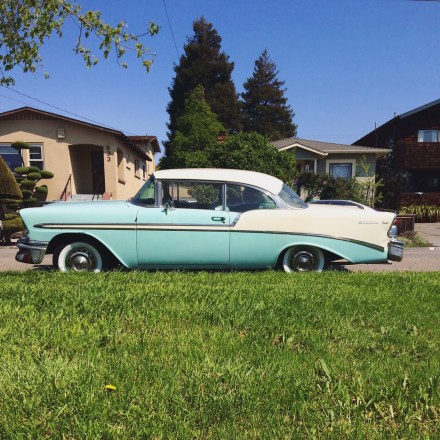
 One thing that General Motors mastered to gain the meat of the US market share was planned obsolescence. GM tricked buyers better than any other corporate behemoth on the wonders of superficial change to convince them that the purchase they just made suddenly wasn’t Spring Fresh.
Underneath all of the dazzle, the majority of what American cars were stayed the same: Rear Wheel Drive, Drum Brakes, Solid Rear Axles and Body On Frame Construction had been mainstays under swoopy bodywork since the great depression.
Continue reading “(Found In) San Gabriel Triangle (Albany, California): 1956 Chevrolet Bel-Air Sport Coupe”
 Desperate times call for desperate measures. Fewer post-war manufacturer moments represented Code Red better than the reality of the Studebaker-Packard merger of 1954. In the imperfect marriage between the pearl of South Bend and once the most exclusive brand in the land of The USA saw a monumental undoing rather hastily. The debacles of Studebaker’s quality failings and poor ability to keep up with consumer demand of their 1953 coupes had long lasting implications. Packard’s own quality difficulties sunk their Clipper ships and their larger cruise ships.
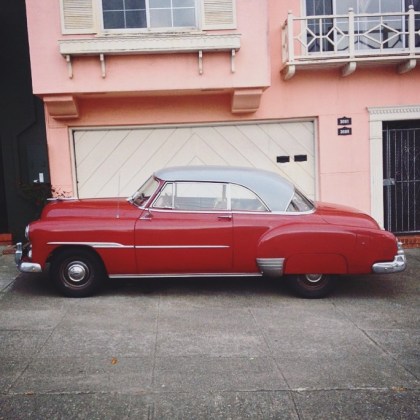 Although Chevrolet always languished at the bottom of the traditional General Motors hierarchy, often it portrayed itself as an aspirational Cadillac for the everyperson. While Ford’s most often left it to middle child Mercury to dress up in Mama Bear Lincoln Luxury guise, Chevrolet quite often did drag in the duds more associated with the higher echelons of the country’s biggest manufacturer.
 There’s a price to pay for being independent. Possibly no manufacturer continually learned that lesson better/worse than Studebaker. With big ambitions yet more often than not modest budgets, the sensations of South Bend often shot for the stars but found little oxygen to continue their journeys beyond the stratosphere.
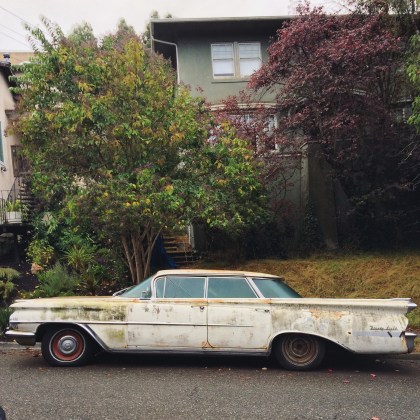 Although the tidal change that the 1959 General Motors Full Sized line was, perhaps no marque needed that change more than Oldsmobile. The brand had gone from offering the most conservative offerings in 1957 to the most derided offerings for 1958.
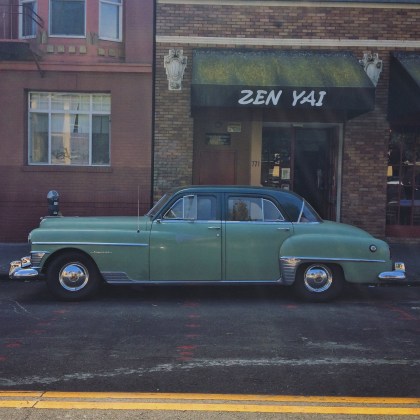 We’ve spoken earlier about the Imperial Image problem. From the introduction of the brand in 1926 through 1954, it was positioned as the most premium Chrysler. That problematic push towards the glass ceiling of luxury brands always saddled Imperials with the upper middle class respectability of the Chrysler brand. The challenge, alongside sharing a heavy commonality with Chrysler cars, was being accepted as a legit full luxury competitor to Cadillac, Lincoln and Packard.
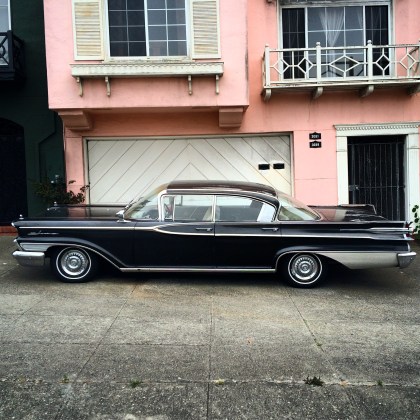 We’ve
We’ve 
 Rockets start to fall back to the earth after they pierce their way into outer space. That’s pretty much the legacy of Oldsmobile during the second half of the 50’s. As the Overhead Valve V8 performance revolution Oldsmobile inspired in 1949 spread to all popular priced cars in the middle of the decade, the laurel brand of Lansing found itself in a dilemma.
 Dynamic Drive