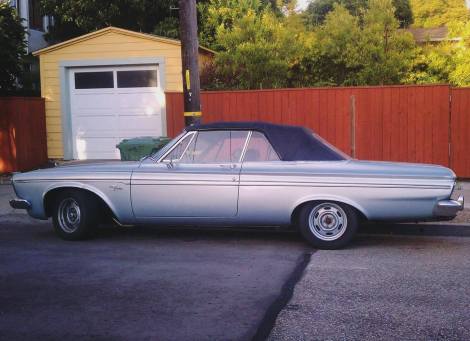
 It’s a miracle Chrysler Corporation survived to see 1965. From the quality disasters of The Forward Look the corporation plunged headfirst into a series of questionable styling ideas that left even loyalists debating whether they were driving the next greatest style sensation or a joke.
By 1963, the Mopar Madness of the last 2 seasons started to fade like a fever dream. Although none of the cars were all-new, they sure looked the part. It was most important at the bottom of the totem pole at Plymouth. The mighty rock had fallen far from its traditional 3rd place in sales last held in 1960. That total only held weight once you factored in Valiant sales. To the bread and butter basic big Plymouth, it found itself emerging from the Chevrolet market missile crisis of ’62 in a brand new suit.
Continue reading “(Found In) Berkeley Flats (Berkeley, California): 1963 Plymouth Fury Convertible”
 The Vista Cruiser is an interesting detour in the concept of the family hauler. General Motors always struggled a wee bit with the concept of the station wagon (and the minivan and SUV crazes that followed) compared to Ford and Chrysler.
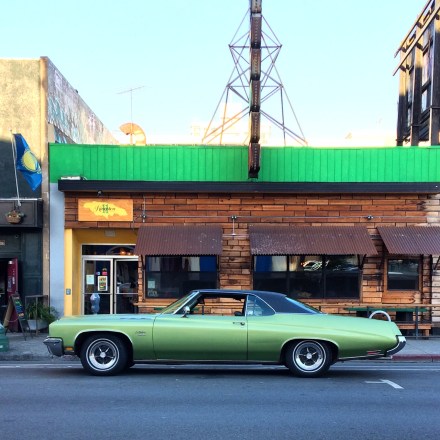 When did Buick become a car for the elderly? It’s really hard to say. For most of the early post-war era, Buick more or less espoused the belief in more subtle, less ostentatious luxury, in comparison to GM cousin brand Cadillac. During that same period, there were extensions downward to price categories just above Chevrolet, and attempts at re-cementing their reputation as Banker’s Hot Rods as well.
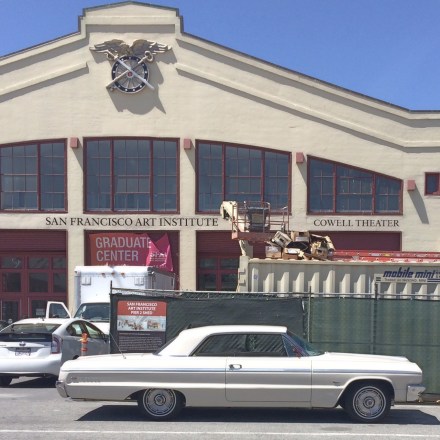 The Wonder Years is now on Netflix. So of course, when left to my own devices with a Netflix account (I don’t have one personally) of course I’m going to indulge in repetition of comforts. Front and Center, 3 episodes in, is the Arnold family’s 1963 Chevrolet Impala Sport Sedan, Green with a White top, as they swoop back silently, in middle class white grief, back from Winne Cooper’s brother’s funeral.
 Dynamic Drive