 In a number of ways Toyota was the most “American” of Japanese manufacturers. Once on their feet in the U.S. market in the early 70’s, they fielded a line up not dissimilar, albeit smaller and far more efficient, than Detroit rivals.
Mainstream models came in sizes small (Corolla), medium (Corona) and large (Crown/Cressida). There was a “pony” car (Celica) to boot. That’s no different than Ford in the 1960’s minus a halo coupe once you think about it.We’ve made friends with the 3rd Generation car. Today we see what the 5th generation had to offer when you opted for the wagon version.
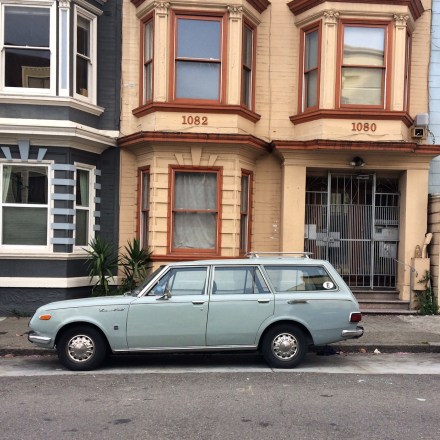 Out of the Japanese brands that landed in the American Market during the 1950’s and 1960’s, Toyota learned the quickest how to adapt to the foreign to them trends that set the Jones’s hearts alight. One trend realized was the splintering of the American Market, as the generation of Boomers headed to dealerships, they weren’t happy with one-size fits all motoring in escalating finery that had dominated the automotive landscape from The Great Depression through the Fabulous Fifties.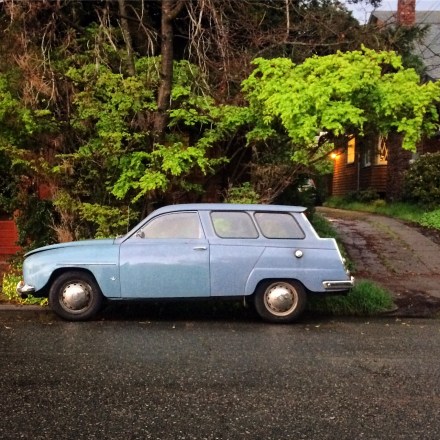
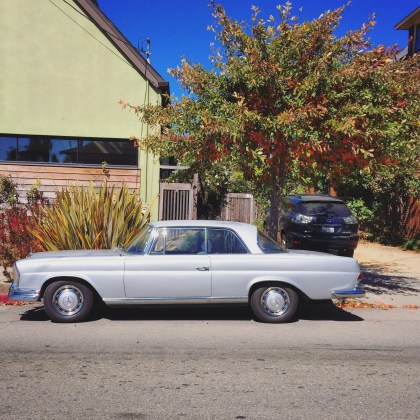 The incremental ways Mercedes Benz crept into the American Automotive market is a peculiar story of persistence and perfection. Although their offerings weren’t completely perfectly well baked for American Motoring demands, they did offer peerless posts to take in vast new landscapes in a completely foreign experience to what was determined to be American Luxury.
 It’s often that we discount Volvo as the sporting Swedish car, and give all of the glory of athletics to Saab. Where Saab tried again and again with variations of the Sonett from the 1950’s through the early 70’s, Volvo stayed pretty tried and true to their concept of a sports tourer. After the attempt with a Scandinavian Corvette, the P1900, the graceful P1800 debuted in 1961.
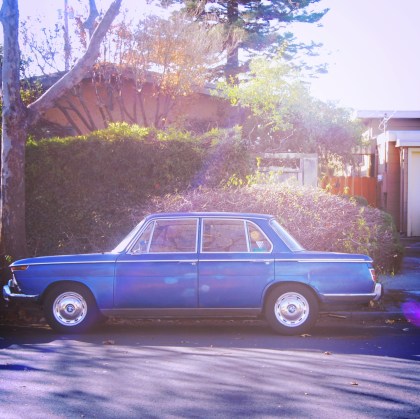 Although the 2002 gets the majority of credit for BMW’s North American success, the models that laid the ground work for sports sedan dominance for half a century laid in the Neue Klasse sedans and related coupes released in 1962. From humble beginnings as an alternate for the growing German Post-War Middle Class, the 1500, 1800 and 2000 series sedans defined dynamic motoring the world over.
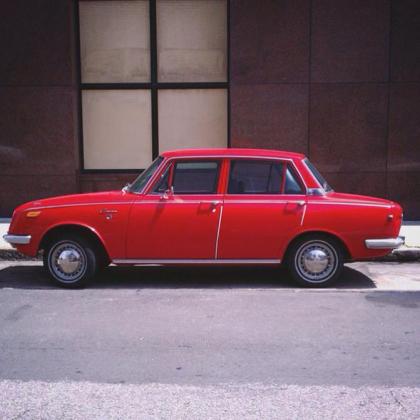 It didn’t take long for Toyota to learn some important basics about success in the American Market. Within 2 generations and one spectacular failure at the end of the 1950’s, Toyota was fast becoming the most important import brand in the United States as the 1960’s gave way to the 1970’s.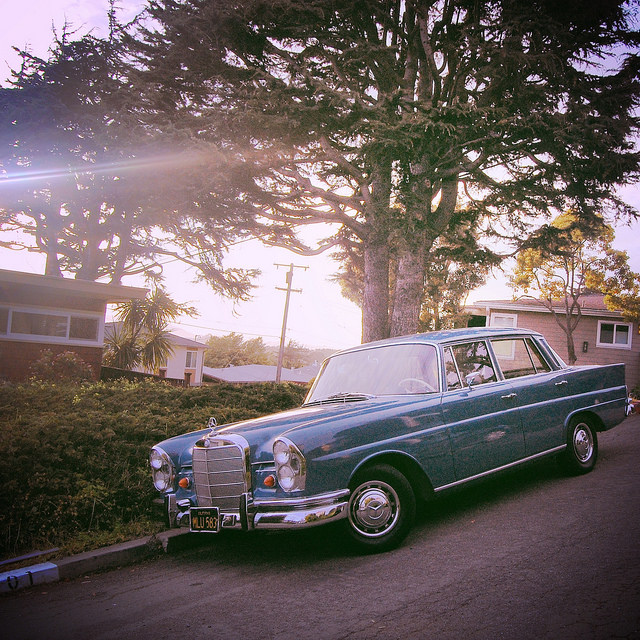
 Dynamic Drive