
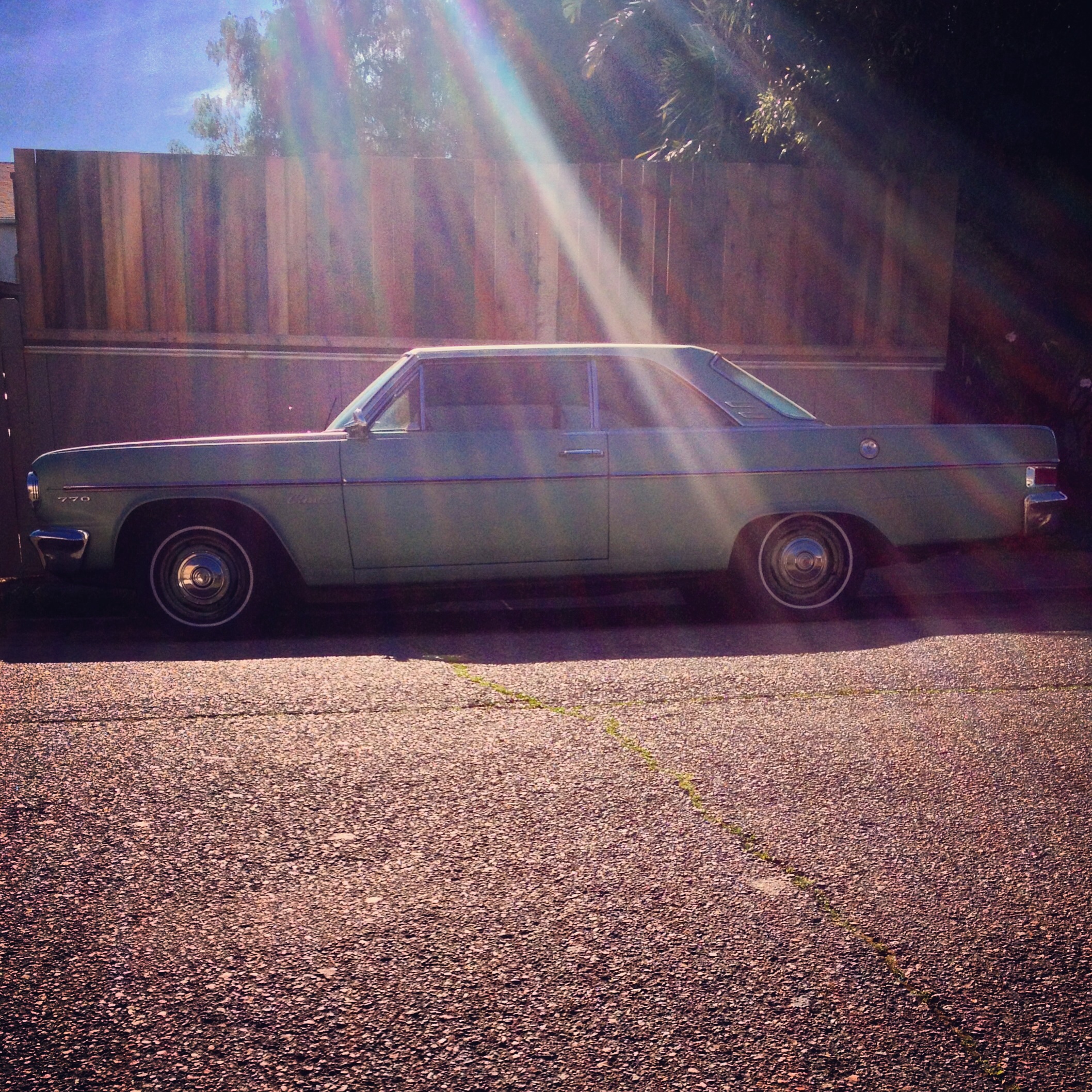
Always walking to the beat of a different drum, the heritage of AMC stretched back into two independents that had long done it their way. It’s by no chance that the first, least expensive option on offer in their showrooms nationwide relied on the manifest-destiny ringing “American” nameplate.
Back in the days of AMC being rooted in Nash, the Rambler concept was by far the most continually successful compact car concept, making sure to offer those a lot of comfort in their decreased footprint. Closing in on 20 years after the beginning of that risk, what did the littlest AMC product give you in 1968?
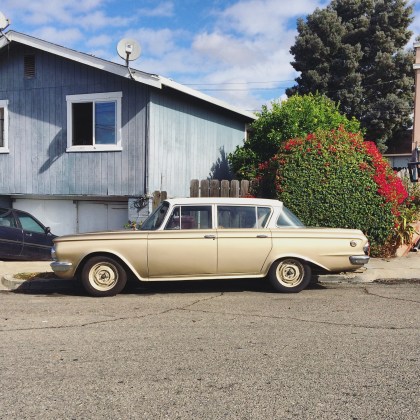 In the era of planned obsolescence, independent brands, out of necessity didn’t “keep up with the times.” Smaller brands like Studebaker, AMC and a number of independent brands before them didn’t have the market share or profits to field new styling and the required sheetmetal every 2 or 3 years, or, in the case of General Motors, the extreme of every model year for 1957, ’58 and ’59.
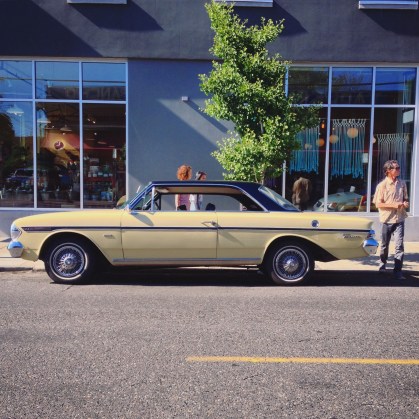 The concept of the “Spring Special” to spur sagging interest in new cars is somewhat a lost concept. In these days of blurred time boundaries, new models up for sale are just given the next model year title. In the past however, new features and running model updates more often than not got a fresh round of marketing to spur along sales of current models.
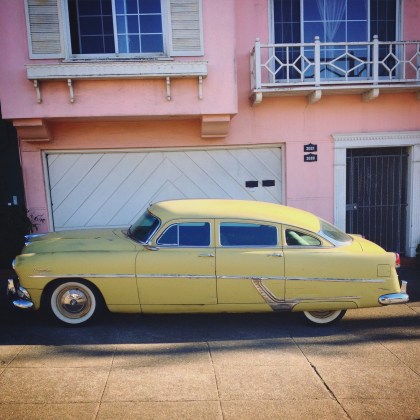 After creating such a sensation on the Automotive market in 1948, The “Step Down” Hudsons found themselves left behind because of their extremely distinctive stance. The envelope Uni-Body that gave the rugged solidarity and premium prestige in the immediate post war proved a limited engineering dead end in the rapidly changing automotive market of the 1950’s.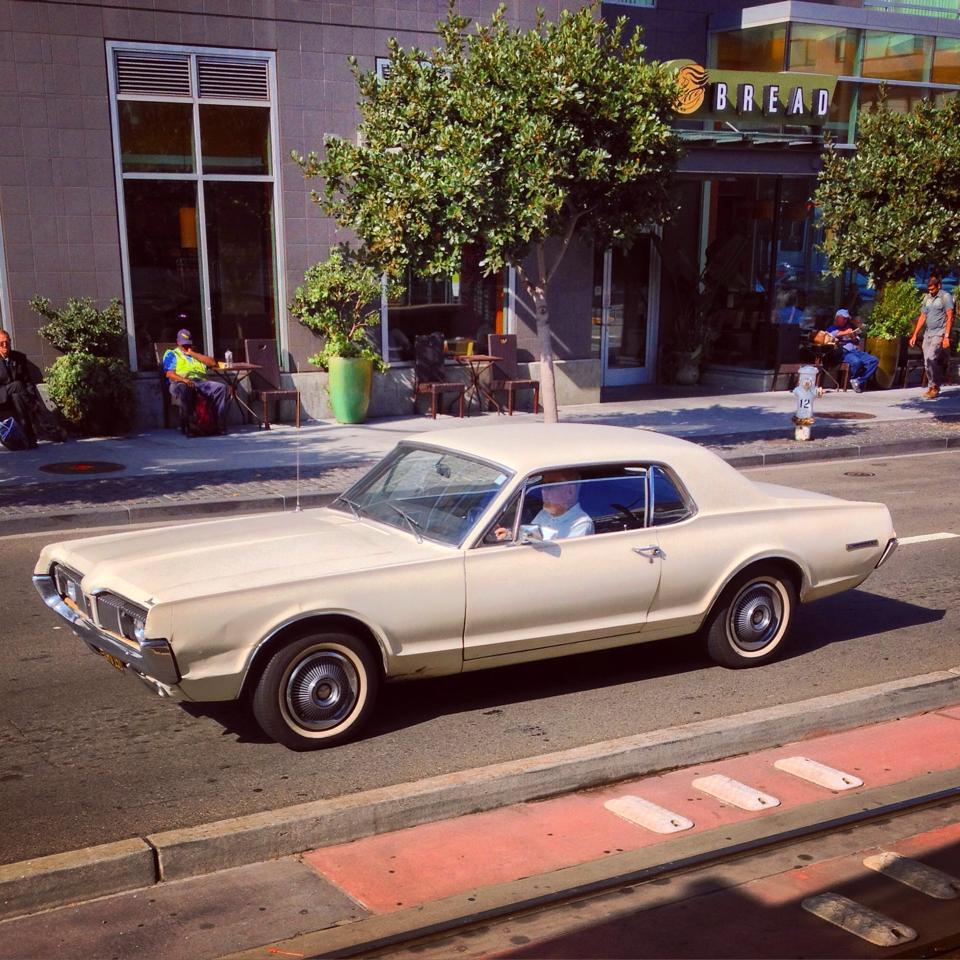
 Dynamic Drive