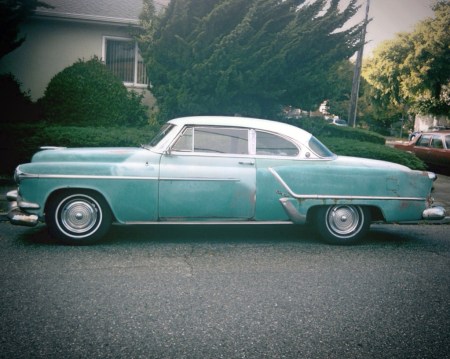
 Although still tied to the Futuramic Ninety Eights that pushed Oldsmobile into the stratosphere of the 1950’s a few years too early, the once again warmed over line topping Rocket Oldsmobiles had plenty of new before they were more fully redesigned for 1954.
Like a sneak preview of the potential return to the showroom in the years to follow, enough goodies went above and below the skin for 1953 the keep viewers glued to the screen for the latest flight into the Pre-Interstate highway space. Here’s why folks continued to make dates with rocket powered Oldsmobiles in 1953.
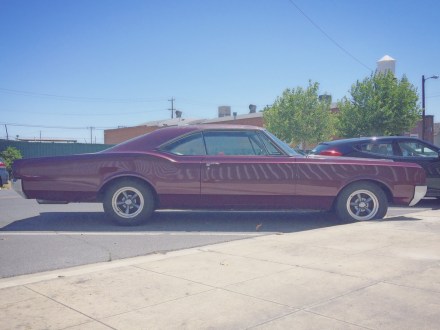 Where The Action Is declared ads for the newest Oldsmobile Eighty Eights in more than half a Decade. While there was more magic once you hitched yourself to these new rocket coupes, sedans and convertibles, they held a lot more common with relatives under the General Motors empire as well.
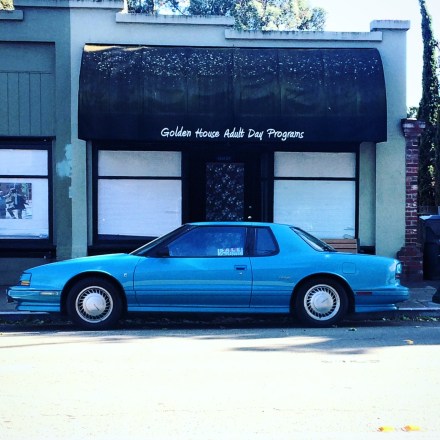 The Oldsmobile Toronado tried time and time again to break the molds of what it meant to be the most premium offering in the middle of the General Motors Hierarchy. Where it initially channeled the elegant grand touring ethos of the Cord 810 upon introduction, it became an off the rack designer clone of the Cadillac Eldorado for its 2nd Generation. That tradition continued through its 3rd Generation as well.
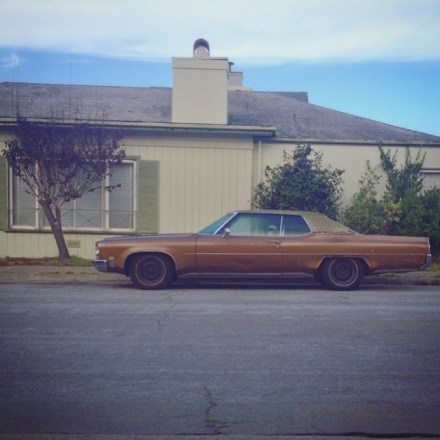 The Oldsmobile Ninety Eight once sat in a rarefied holy trinity at the temple of General Motors opulence. The eldest and the most modest of the trio between the most Senior Buick, the now Electra 225, and the myriad of Cadillac DeVilles and Fleetwoods, the Ninety Eight negotiated for the least of your finances for the most security and the most sensible set of luxury trappings for your dollar.
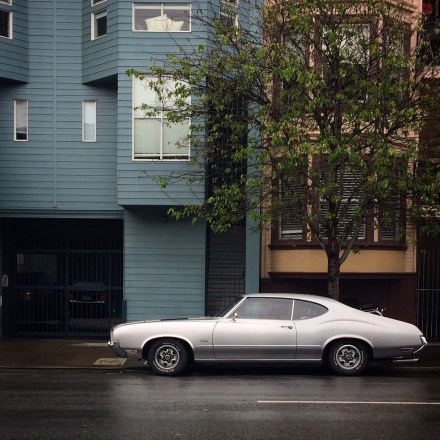 As Oldsmobile rose to their zenith in the 1970’s, it started to do so by playing musicial chairs with the various marketing images that made for being the toast of the town image that it had fostered since the 1950’s. The Olds-multiplicity of the brand had been a constant mix of practicality, performance and posh since the end of World War II. For the Elegant Ninety Eights there were the Superlative Super 88’s. For the practical F-85 there was the swashbuckling Cutlass. For the sword of intermediates, a crowned princess Supreme started an ascent to the top of the charts like Diana, Mary and Florence starting in 1966.
 Chrysler Corporation products of the early 1970’s embraced more fully than any other brand of car the intergalactic possibilities and fantasies of Science Fiction in the earthbound chariots they offered to consumers. Going from rectilinear boxes of the 1960’s, Chrysler flooded every sight line with bulbous curves with their new Fuselage look for everything above the Valiant and Dart.
 A wing, a prayer, and perhaps some emergency road flares. That encapsulated where Studebaker was by 1962 with their standard passenger car line. Where the innovation of cropping the circa ’53 standard Studebaker down to the Lark in 1959 was a stroke of genius, by 1962 many manufacturers crowded around the special bird to make a feast. No longer was it the only downsized dowager with the pride of a potent V8 engine.
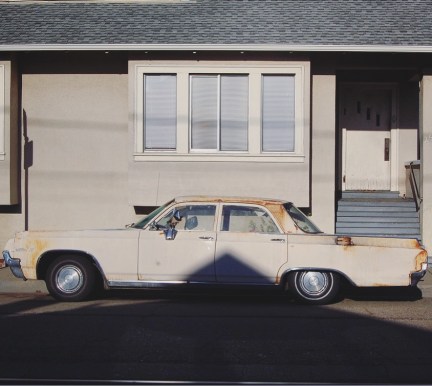 Caste systems find their function in strict boundaries. If there wasn’t exclusive traits to one station in life, the combination of fear and desire wouldn’t keep products in their proper places. As something that humans have created for each other, we oft find these systems in play in the products humans create as well.
 Desperate times call for desperate measures. Fewer post-war manufacturer moments represented Code Red better than the reality of the Studebaker-Packard merger of 1954. In the imperfect marriage between the pearl of South Bend and once the most exclusive brand in the land of The USA saw a monumental undoing rather hastily. The debacles of Studebaker’s quality failings and poor ability to keep up with consumer demand of their 1953 coupes had long lasting implications. Packard’s own quality difficulties sunk their Clipper ships and their larger cruise ships.
 Dynamic Drive