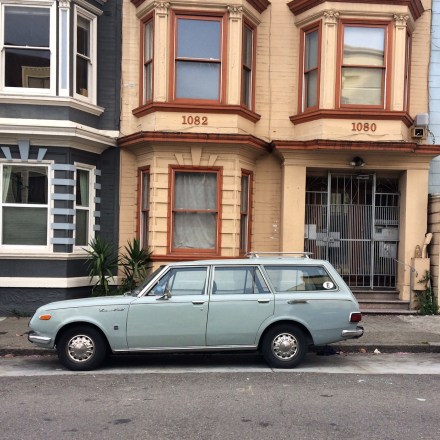
 Out of the Japanese brands that landed in the American Market during the 1950’s and 1960’s, Toyota learned the quickest how to adapt to the foreign to them trends that set the Jones’s hearts alight. One trend realized was the splintering of the American Market, as the generation of Boomers headed to dealerships, they weren’t happy with one-size fits all motoring in escalating finery that had dominated the automotive landscape from The Great Depression through the Fabulous Fifties.
Indeed, after landing a hit with the Corona during the 2nd half of the 1960’s, Toyota went above and below, bringing the baby bear Corolla and the Papa Bear Crown stateside. For those moving immediately out of their Coronas could find themselves in the Mama Bear Corona Mark II.
 While once upon a time rival the Ford Thunderbird always seemed ready to switch up it’s identity to keep up with the party, the Chevrolet Corvette stayed very close to its roots. Nearly 65 years later the Corvette remains the longest running mass produced sports car on offer from the good old United States of America.
 Desperate times call for desperate measures. Fewer post-war manufacturer moments represented Code Red better than the reality of the Studebaker-Packard merger of 1954. In the imperfect marriage between the pearl of South Bend and once the most exclusive brand in the land of The USA saw a monumental undoing rather hastily. The debacles of Studebaker’s quality failings and poor ability to keep up with consumer demand of their 1953 coupes had long lasting implications. Packard’s own quality difficulties sunk their Clipper ships and their larger cruise ships.
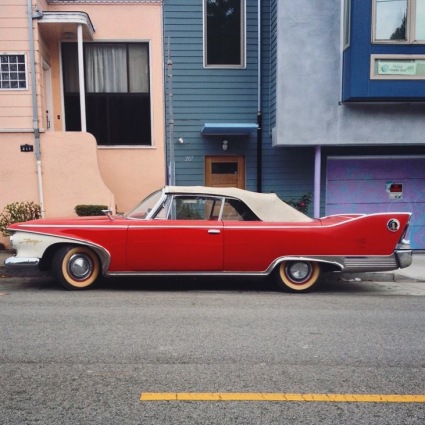 We’ve mused before about the
  One theory I constantly want to debuke about the Automobile, either created once upon a time, or as an item we covet now, is that cars are the provenance of straight, by and large white, men. Since at least the mid-Century, if not earlier, manufacturers employed women, minorities and queers to help design the dreams that we all stare back at with rose tinted glasses.
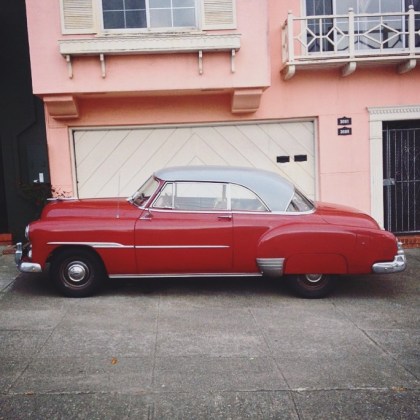 Although Chevrolet always languished at the bottom of the traditional General Motors hierarchy, often it portrayed itself as an aspirational Cadillac for the everyperson. While Ford’s most often left it to middle child Mercury to dress up in Mama Bear Lincoln Luxury guise, Chevrolet quite often did drag in the duds more associated with the higher echelons of the country’s biggest manufacturer.
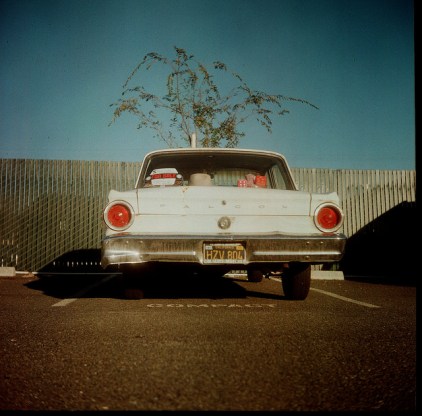 Once upon a time, on a website far far away but not really, when I was 30-ish years old, I declared the Ford Falcon the vintage chariot fancied the most by a certain demographic. Interestingly, at the same time I made such a grandiose generalization about my own respective urban peer group, I took up another anachronistic way of expression;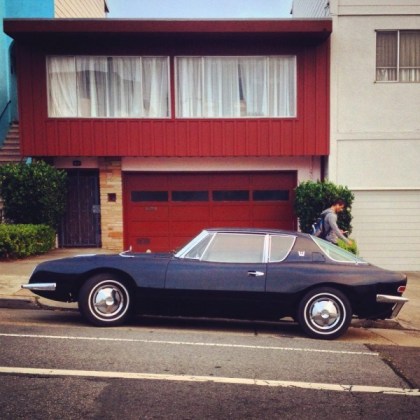

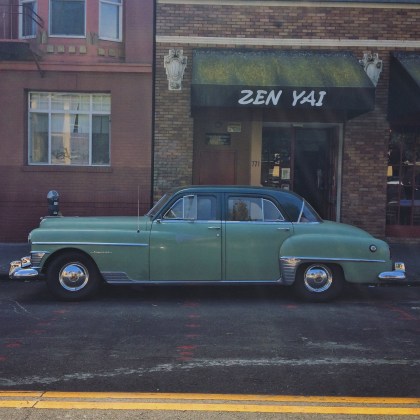 We’ve spoken earlier about the Imperial Image problem. From the introduction of the brand in 1926 through 1954, it was positioned as the most premium Chrysler. That problematic push towards the glass ceiling of luxury brands always saddled Imperials with the upper middle class respectability of the Chrysler brand. The challenge, alongside sharing a heavy commonality with Chrysler cars, was being accepted as a legit full luxury competitor to Cadillac, Lincoln and Packard.
 Dynamic Drive