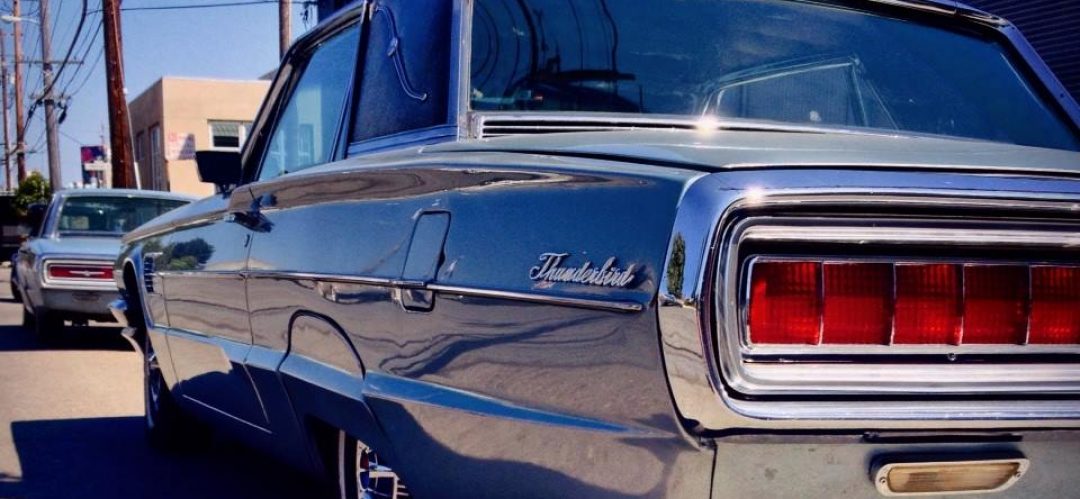
 There’s a price to pay for being independent. Possibly no manufacturer continually learned that lesson better/worse than Studebaker. With big ambitions yet more often than not modest budgets, the sensations of South Bend often shot for the stars but found little oxygen to continue their journeys beyond the stratosphere.
Where larger manufacturers could find cash to carry them into modest restyles and updates, smaller brands had to stick to guns they fired. This is where the story of the “first by far with a Postwar Car” 1947 Studebaker found itself 6 seasons later in 1952.
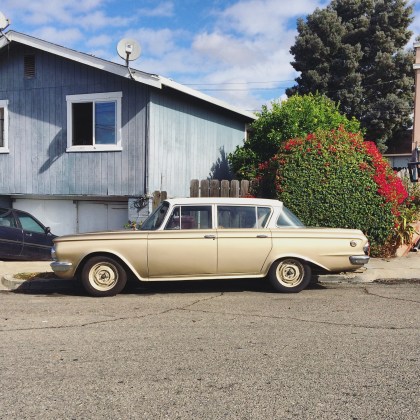 In the era of planned obsolescence, independent brands, out of necessity didn’t “keep up with the times.” Smaller brands like Studebaker, AMC and a number of independent brands before them didn’t have the market share or profits to field new styling and the required sheetmetal every 2 or 3 years, or, in the case of General Motors, the extreme of every model year for 1957, ’58 and ’59.
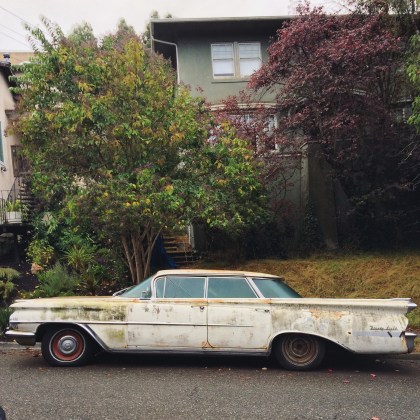 Although the tidal change that the 1959 General Motors Full Sized line was, perhaps no marque needed that change more than Oldsmobile. The brand had gone from offering the most conservative offerings in 1957 to the most derided offerings for 1958.
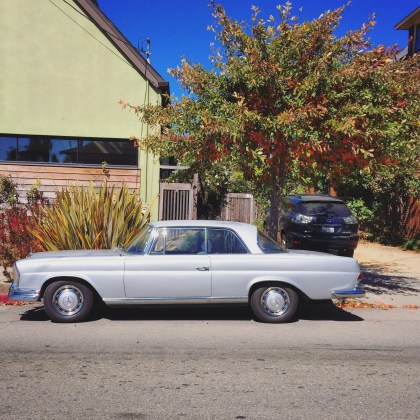 The incremental ways Mercedes Benz crept into the American Automotive market is a peculiar story of persistence and perfection. Although their offerings weren’t completely perfectly well baked for American Motoring demands, they did offer peerless posts to take in vast new landscapes in a completely foreign experience to what was determined to be American Luxury.
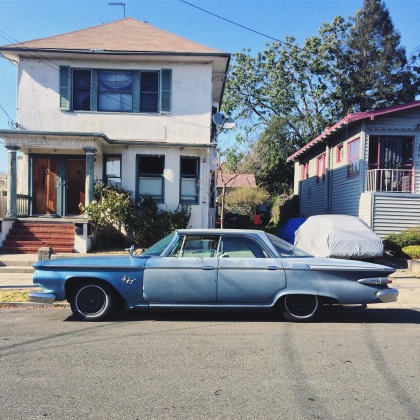 There’s perhaps no bigger surprise underdog that early 1960’s full sized Plymouths. Due to a number of factors, especially from 1960 through 1962, the Big Bargain Basement Mopars found themselves not only at odds with their traditional market segment. They found displeasure among Mopar loyalists as well.
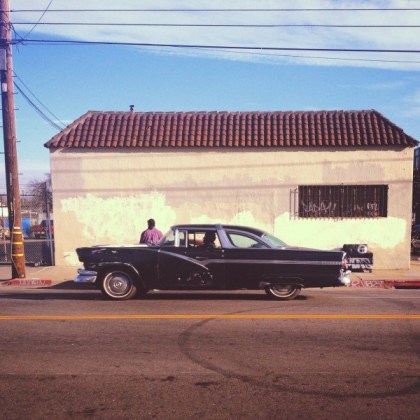 It’s worth note of the potential freedoms that driving and motor vehicle ownership offer people. I’ve been thinking of the scales between the freedom and consequences of the motor vehicle quite often over the last year.
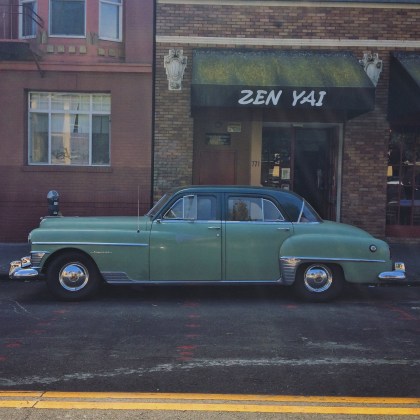 We’ve spoken earlier about the Imperial Image problem. From the introduction of the brand in 1926 through 1954, it was positioned as the most premium Chrysler. That problematic push towards the glass ceiling of luxury brands always saddled Imperials with the upper middle class respectability of the Chrysler brand. The challenge, alongside sharing a heavy commonality with Chrysler cars, was being accepted as a legit full luxury competitor to Cadillac, Lincoln and Packard.
 It’s often that we discount Volvo as the sporting Swedish car, and give all of the glory of athletics to Saab. Where Saab tried again and again with variations of the Sonett from the 1950’s through the early 70’s, Volvo stayed pretty tried and true to their concept of a sports tourer. After the attempt with a Scandinavian Corvette, the P1900, the graceful P1800 debuted in 1961.
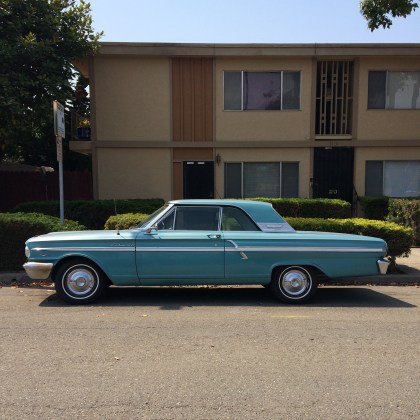 It’s not easy peaking the first time on stage. It happens with music acts, television shows, and quite often, cars. The combination of right place, right time and blessings from the stars (and economic conditions) bodes well for certain product successes. Here lies the story of the re-branded, midsized Ford Fairlane. For one shining moment, without market factors against it, it claimed a genre all unto it’s own.
 Dynamic Drive