 Cadillac seemed more than likely a place for a closed coupled, personalized touring coupe to flourish. It may seem a bit surprising that Cadillac, given its success in the post war era and bountiful resources sitting on top of the General Motors throne, waited until 1967 to field one. Granted the financial losses on the Eldorado Brougham of the late 1950’s informed the decision to make the risk a cautiously executed once there had been a market determined.
Cadillac got a season and a half jump on Lincoln making a similar decision to re-enter this segment of the market with the personalized Mark Series Continental. The front wheel drive Eldorado ditched the premise of being the most deluxe of Cadillac convertibles in 1967. For the second full year jostling for King of The Road status, how did the ’68 Eldorado shape up against the pending Continental Mark III, and its lesser siblings the Riviera and Toronado for that matter?
 Buick was never really known as the flamboyant choice of cars in the General Motors stable. However, starting in the Mid 1950’s, Buick found its way to being one of the most fashionable plates car buyers dined off of. For the 1954-57 models it seemed more keeping up with the Jonesin’ for wild color and fabric combinations. However, by 1958, the glittery flamboyance jumped the shark, followed by the Batman inspired ’59, and the relatively less marvel superhero themed 1960 version.
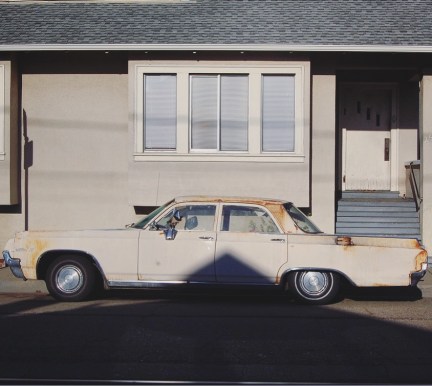 Caste systems find their function in strict boundaries. If there wasn’t exclusive traits to one station in life, the combination of fear and desire wouldn’t keep products in their proper places. As something that humans have created for each other, we oft find these systems in play in the products humans create as well.
 Before the automotive market fully fragmented due to offerings to fit every type of vehicle lifestyle, the vast majority of automotive sales went to the 4 door sedan. Each American brand offered many flavors of door opening convenience through their line ups. Most often, each one was offered in bargain basement, deluxe and sometimes luxury trim by the mid 1960’s.
 While once upon a time rival the Ford Thunderbird always seemed ready to switch up it’s identity to keep up with the party, the Chevrolet Corvette stayed very close to its roots. Nearly 65 years later the Corvette remains the longest running mass produced sports car on offer from the good old United States of America.
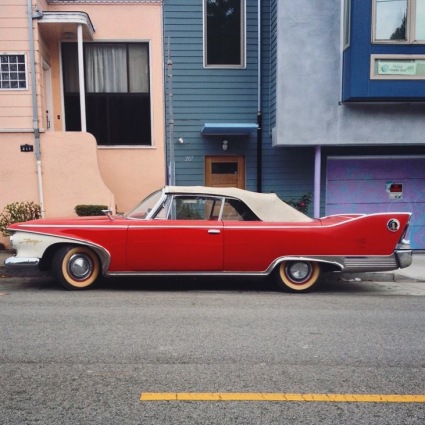 We’ve mused before about the
  In the rigorous world of competitive automotive sales, the full-sized Ford Automobile was oft the 2nd most beloved (and in a few cases in the post-war, the most loved) conveyance for Middle America. Ford, however, took to the diversification of size and style classes of Automobiles with zeal at the beginning of the 1960’s more than any other brand from the Big Three.
 By 1964, General Motors premium efforts offered up a magic brew of marketing and moxie. Where Ford and Chrysler could only work their mojo into offering perhaps only 2 or 3 premium sedans, General Motors had a slew of them. Most credit Ford with starting the brougham brigade, in actuality Pontiac brought the bourgeois to more of the masses with their Bonneville Brougham.
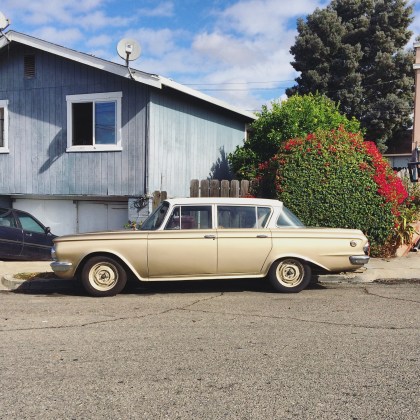 In the era of planned obsolescence, independent brands, out of necessity didn’t “keep up with the times.” Smaller brands like Studebaker, AMC and a number of independent brands before them didn’t have the market share or profits to field new styling and the required sheetmetal every 2 or 3 years, or, in the case of General Motors, the extreme of every model year for 1957, ’58 and ’59.
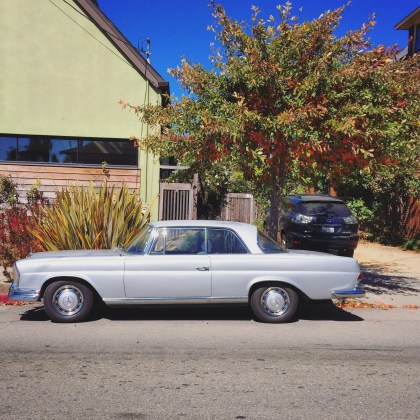 The incremental ways Mercedes Benz crept into the American Automotive market is a peculiar story of persistence and perfection. Although their offerings weren’t completely perfectly well baked for American Motoring demands, they did offer peerless posts to take in vast new landscapes in a completely foreign experience to what was determined to be American Luxury.
 Dynamic Drive