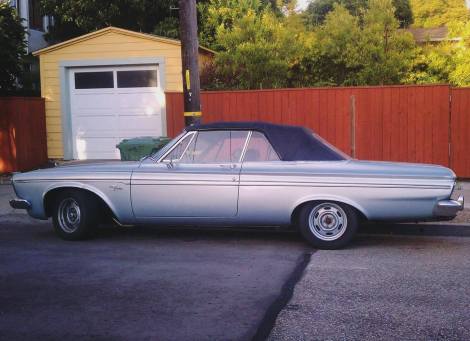
 It’s a miracle Chrysler Corporation survived to see 1965. From the quality disasters of The Forward Look the corporation plunged headfirst into a series of questionable styling ideas that left even loyalists debating whether they were driving the next greatest style sensation or a joke.
By 1963, the Mopar Madness of the last 2 seasons started to fade like a fever dream. Although none of the cars were all-new, they sure looked the part. It was most important at the bottom of the totem pole at Plymouth. The mighty rock had fallen far from its traditional 3rd place in sales last held in 1960. That total only held weight once you factored in Valiant sales. To the bread and butter basic big Plymouth, it found itself emerging from the Chevrolet market missile crisis of ’62 in a brand new suit.
Continue reading “(Found In) Berkeley Flats (Berkeley, California): 1963 Plymouth Fury Convertible”
 Chrysler Corporation products of the early 1970’s embraced more fully than any other brand of car the intergalactic possibilities and fantasies of Science Fiction in the earthbound chariots they offered to consumers. Going from rectilinear boxes of the 1960’s, Chrysler flooded every sight line with bulbous curves with their new Fuselage look for everything above the Valiant and Dart.
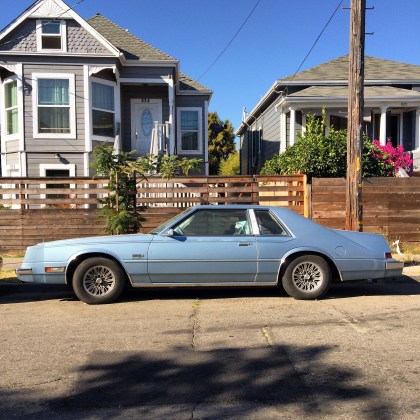 Celebrity endorsements of products weren’t anything new when morning re-dawn’d in ‘Murica in 1981. However, there was heightened trust put in old white dude celebrities where, perhaps, there shouldn’t have been. We had former actor Ronald Reagan as President that year. Reagan beguiled us with tales (perhaps too familiar 35 years into the future) about using traditional, conservative family values to return America. It was bought by the majority of voters still slumbering in a long term malaise that had dominated most of the 1970’s.
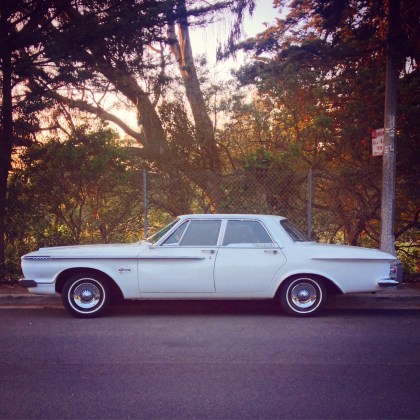 You shouldn’t believe everything you hear over dinner party chatter. Especially when you’re already on the ropes with your business. Chrysler Corporation seemed perpetually going just askew of where buyers wanted for a good portion of the Post-war era.
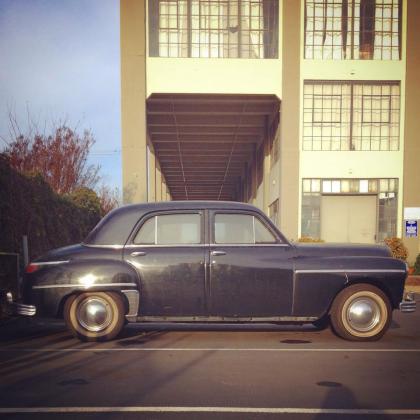 Once upon a time, the low priced Three automobiles stood securely in their respective reputations. Each brought a unique motoring experience reflective of the corporate philosophy that spurred their development. At the end of the World War, Ford, Chevrolet and Plymouth still held steadfast to policies dictated to them ever since they carved out the bottom of the market for the Big 3 automakers.


 Dynamic Drive