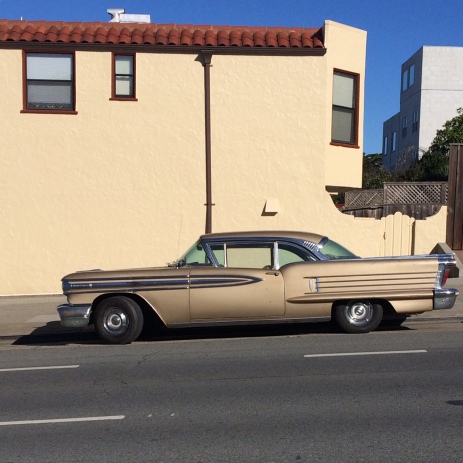
 Beauty is in the eye of the beholder. Or in the eye of the buyer, I guess. In the twilight zone of the late 50’s, many an automobile brings up the question of what exactly did “good taste” mean in terms of what American car shoppers wanted.
This is where the 1958 Oldsmobile enters into our consciousness. When all is said and done, can you believe that it was one of the most popular faces for ’58? Perhaps entranced by all the sparkling jewelry, we spend time with this glittery gem, figuring out if it was a ghoul or the genteel beast most middle class buyers wanted that year.
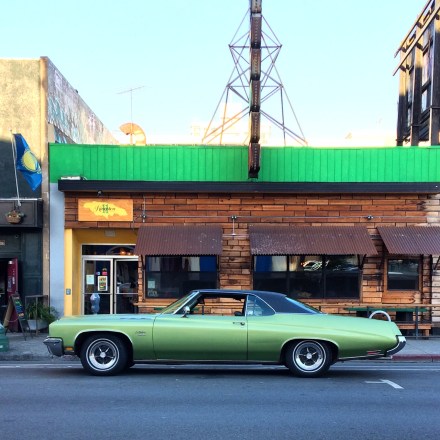 When did Buick become a car for the elderly? It’s really hard to say. For most of the early post-war era, Buick more or less espoused the belief in more subtle, less ostentatious luxury, in comparison to GM cousin brand Cadillac. During that same period, there were extensions downward to price categories just above Chevrolet, and attempts at re-cementing their reputation as Banker’s Hot Rods as well.
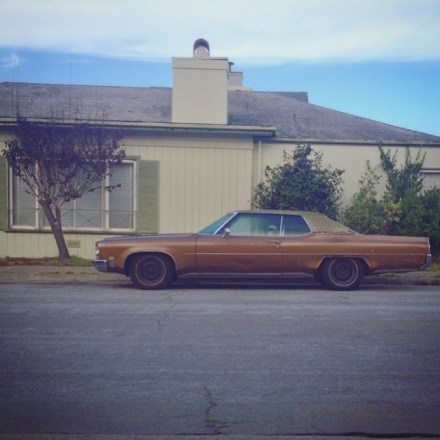 The Oldsmobile Ninety Eight once sat in a rarefied holy trinity at the temple of General Motors opulence. The eldest and the most modest of the trio between the most Senior Buick, the now Electra 225, and the myriad of Cadillac DeVilles and Fleetwoods, the Ninety Eight negotiated for the least of your finances for the most security and the most sensible set of luxury trappings for your dollar.
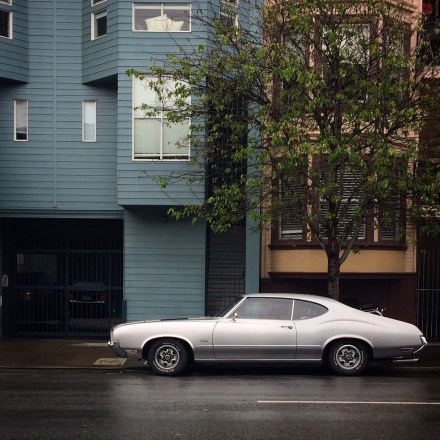 As Oldsmobile rose to their zenith in the 1970’s, it started to do so by playing musicial chairs with the various marketing images that made for being the toast of the town image that it had fostered since the 1950’s. The Olds-multiplicity of the brand had been a constant mix of practicality, performance and posh since the end of World War II. For the Elegant Ninety Eights there were the Superlative Super 88’s. For the practical F-85 there was the swashbuckling Cutlass. For the sword of intermediates, a crowned princess Supreme started an ascent to the top of the charts like Diana, Mary and Florence starting in 1966.
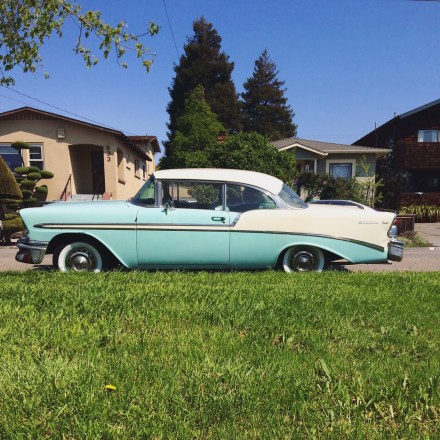 One thing that General Motors mastered to gain the meat of the US market share was planned obsolescence. GM tricked buyers better than any other corporate behemoth on the wonders of superficial change to convince them that the purchase they just made suddenly wasn’t Spring Fresh.
 The Ford Thunderbird saw many persona changes to cope with the changing times throughout its life as a personalized chariot for a select few. From luxurious sports personal convertible to overwrought George Barris Custom to fascinatingly land bound ode to space and air travel, to suburban bordello on wheels, where was the Thunderbird by the time it turned sweet 16?
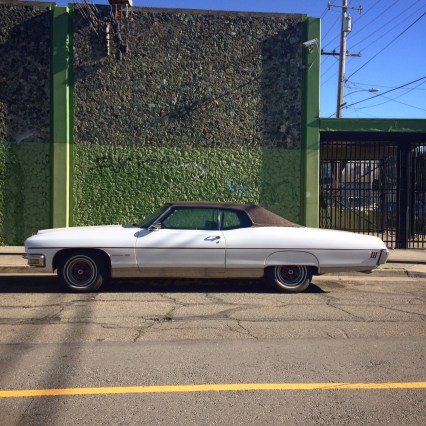 For the full decade of the 1960’s, Pontiac had been on a miraculous winning streak. Hitting a stride walking into the decade, they found themselves the perpetual #3 brand, ousting long time 3rd favorite brand, Plymouth, from their customary slot with a blend of prestige, panache and performance.
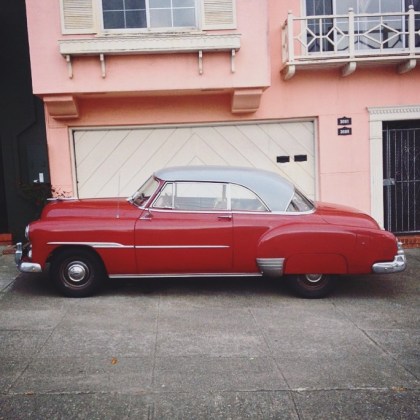 Although Chevrolet always languished at the bottom of the traditional General Motors hierarchy, often it portrayed itself as an aspirational Cadillac for the everyperson. While Ford’s most often left it to middle child Mercury to dress up in Mama Bear Lincoln Luxury guise, Chevrolet quite often did drag in the duds more associated with the higher echelons of the country’s biggest manufacturer.
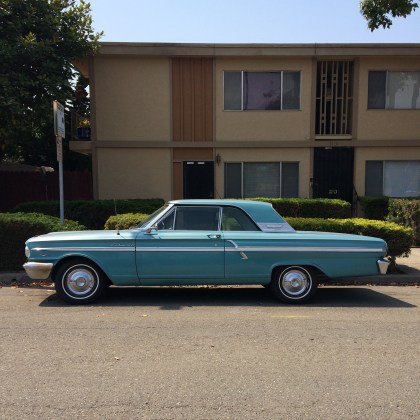 It’s not easy peaking the first time on stage. It happens with music acts, television shows, and quite often, cars. The combination of right place, right time and blessings from the stars (and economic conditions) bodes well for certain product successes. Here lies the story of the re-branded, midsized Ford Fairlane. For one shining moment, without market factors against it, it claimed a genre all unto it’s own.
 Although a styling revolutionary, the 1961 Lincoln Continental wasn’t exactly a sales champion. The infinite varieties available for consumption in Cadillac showrooms allowed the Standard of The World to consistently outplace its Dearborn bred rival throughout the 1960’s.
 Dynamic Drive