 Chrysler Corporation products of the early 1970’s embraced more fully than any other brand of car the intergalactic possibilities and fantasies of Science Fiction in the earthbound chariots they offered to consumers. Going from rectilinear boxes of the 1960’s, Chrysler flooded every sight line with bulbous curves with their new Fuselage look for everything above the Valiant and Dart.
First filling the largest shadows with the C-Body full sized line, the 1971 re-skin of the intermediate B-bodies took on a futuristic shape that in all irony, would soon lose market share to a heap of neo-classical tastes.
 Cadillac seemed more than likely a place for a closed coupled, personalized touring coupe to flourish. It may seem a bit surprising that Cadillac, given its success in the post war era and bountiful resources sitting on top of the General Motors throne, waited until 1967 to field one. Granted the financial losses on the Eldorado Brougham of the late 1950’s informed the decision to make the risk a cautiously executed once there had been a market determined.
 The Ford Thunderbird saw many persona changes to cope with the changing times throughout its life as a personalized chariot for a select few. From luxurious sports personal convertible to overwrought George Barris Custom to fascinatingly land bound ode to space and air travel, to suburban bordello on wheels, where was the Thunderbird by the time it turned sweet 16?
 Desperate times call for desperate measures. Fewer post-war manufacturer moments represented Code Red better than the reality of the Studebaker-Packard merger of 1954. In the imperfect marriage between the pearl of South Bend and once the most exclusive brand in the land of The USA saw a monumental undoing rather hastily. The debacles of Studebaker’s quality failings and poor ability to keep up with consumer demand of their 1953 coupes had long lasting implications. Packard’s own quality difficulties sunk their Clipper ships and their larger cruise ships.
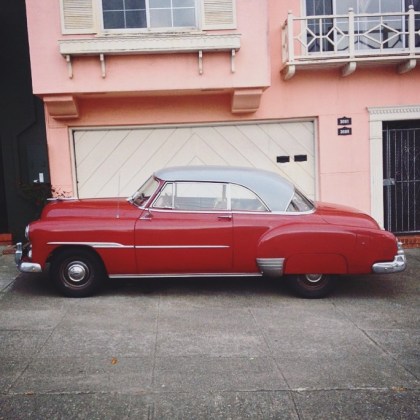 Although Chevrolet always languished at the bottom of the traditional General Motors hierarchy, often it portrayed itself as an aspirational Cadillac for the everyperson. While Ford’s most often left it to middle child Mercury to dress up in Mama Bear Lincoln Luxury guise, Chevrolet quite often did drag in the duds more associated with the higher echelons of the country’s biggest manufacturer.
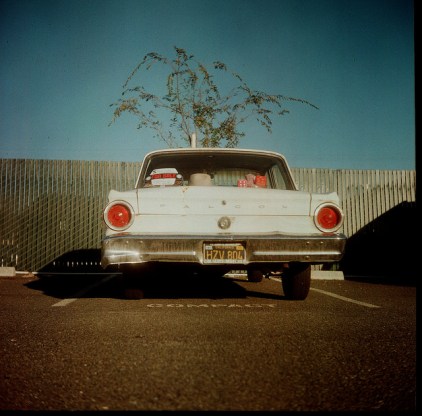 Once upon a time, on a website far far away but not really, when I was 30-ish years old, I declared the Ford Falcon the vintage chariot fancied the most by a certain demographic. Interestingly, at the same time I made such a grandiose generalization about my own respective urban peer group, I took up another anachronistic way of expression;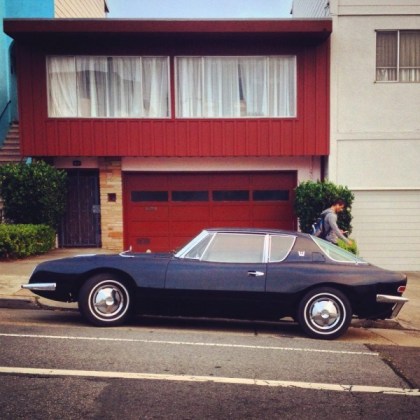
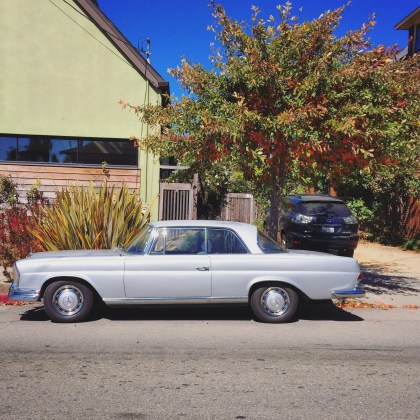 The incremental ways Mercedes Benz crept into the American Automotive market is a peculiar story of persistence and perfection. Although their offerings weren’t completely perfectly well baked for American Motoring demands, they did offer peerless posts to take in vast new landscapes in a completely foreign experience to what was determined to be American Luxury.
 It’s often that we discount Volvo as the sporting Swedish car, and give all of the glory of athletics to Saab. Where Saab tried again and again with variations of the Sonett from the 1950’s through the early 70’s, Volvo stayed pretty tried and true to their concept of a sports tourer. After the attempt with a Scandinavian Corvette, the P1900, the graceful P1800 debuted in 1961.
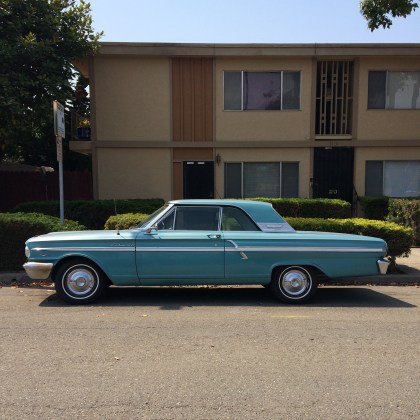 It’s not easy peaking the first time on stage. It happens with music acts, television shows, and quite often, cars. The combination of right place, right time and blessings from the stars (and economic conditions) bodes well for certain product successes. Here lies the story of the re-branded, midsized Ford Fairlane. For one shining moment, without market factors against it, it claimed a genre all unto it’s own.
 Dynamic Drive