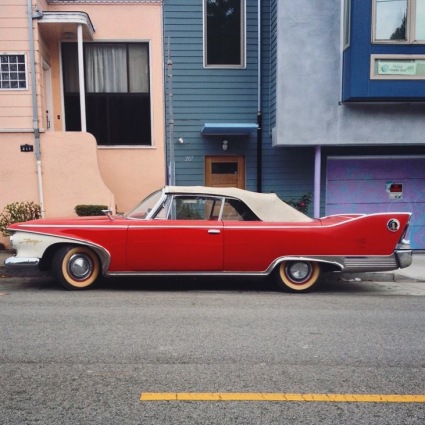
 We’ve mused before about the 1960 Plymouth, and the future it found itself in not being as kind as its forebearers had promised it in the Fall of ’56. Plymouth had a hard time moving on from its miserly image in general, with Dodge prominently powerful as a more premium player in the makings of Mopar at the turn of the decade.
Nevertheless, Plymouth was to offer a glamorous convertible, as expected by all of the Low-Priced Three as a traditional halo model. 1960 would be no different for Plymouth, as they rivaled Chevrolet for the most flamboyant offering for 1960 for the smallest of open top budgets.
Continue reading “(Found In) Lone Mountain (San Francisco): 1960 Plymouth Fury Convertible”
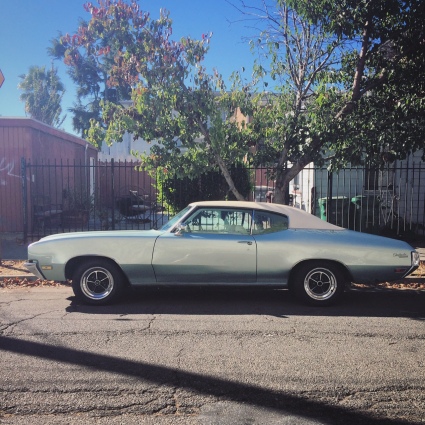 Buick has counted on you really rather having its wares throughout its history. The turn of the decade from 1969 to 1970 was no different, as more commonality crept in between all of General Motors intermediate cars.
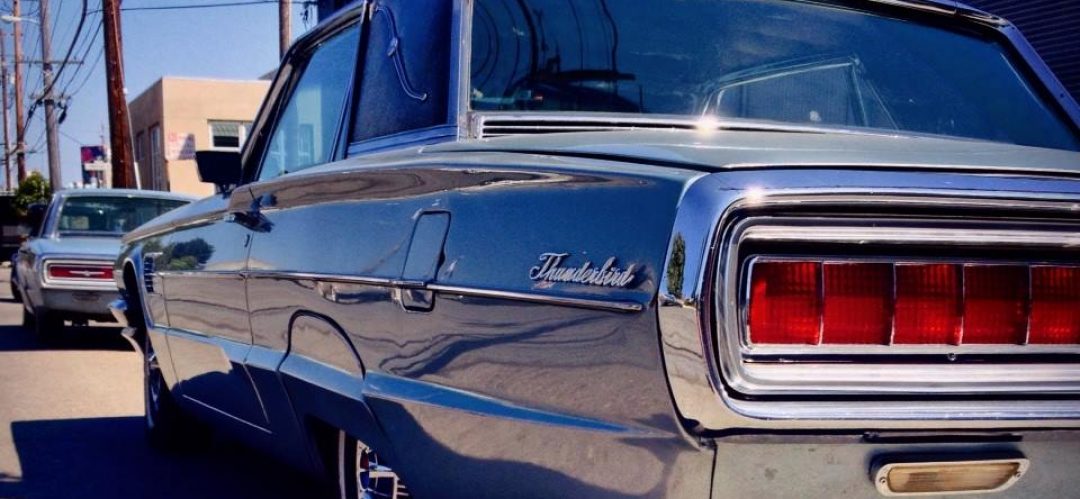
 In the rigorous world of competitive automotive sales, the full-sized Ford Automobile was oft the 2nd most beloved (and in a few cases in the post-war, the most loved) conveyance for Middle America. Ford, however, took to the diversification of size and style classes of Automobiles with zeal at the beginning of the 1960’s more than any other brand from the Big Three.
 One theory I constantly want to debuke about the Automobile, either created once upon a time, or as an item we covet now, is that cars are the provenance of straight, by and large white, men. Since at least the mid-Century, if not earlier, manufacturers employed women, minorities and queers to help design the dreams that we all stare back at with rose tinted glasses.
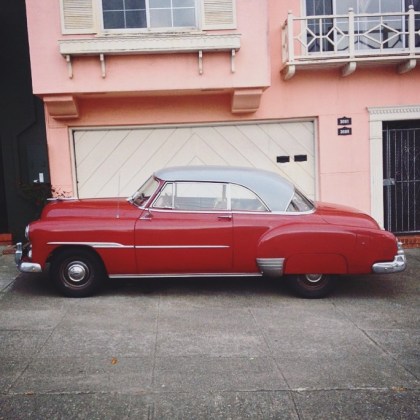 Although Chevrolet always languished at the bottom of the traditional General Motors hierarchy, often it portrayed itself as an aspirational Cadillac for the everyperson. While Ford’s most often left it to middle child Mercury to dress up in Mama Bear Lincoln Luxury guise, Chevrolet quite often did drag in the duds more associated with the higher echelons of the country’s biggest manufacturer.
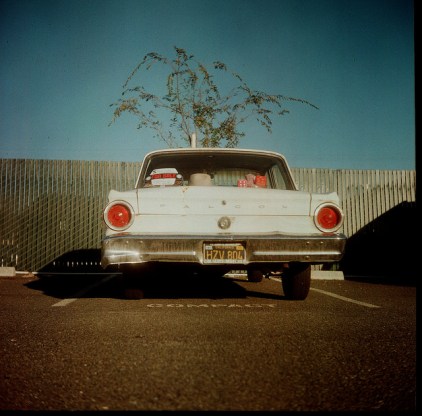 Once upon a time, on a website far far away but not really, when I was 30-ish years old, I declared the Ford Falcon the vintage chariot fancied the most by a certain demographic. Interestingly, at the same time I made such a grandiose generalization about my own respective urban peer group, I took up another anachronistic way of expression;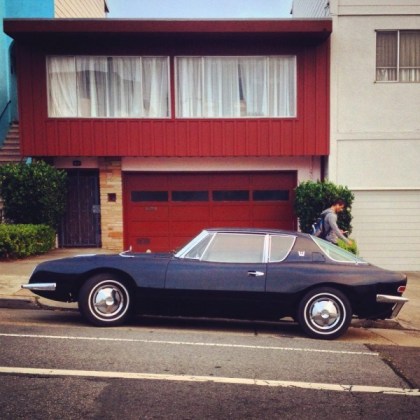
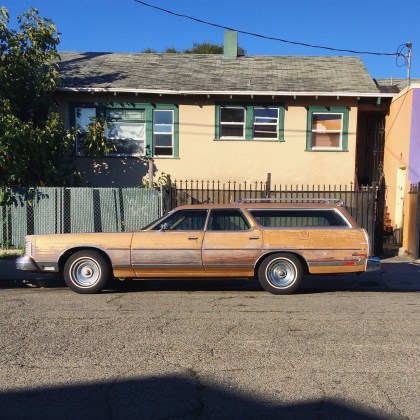 Once upon a time in a world 40 years ago, the way to haul the herds through freshly minted suburbia wasn’t via sport utility vehicles, nor minivans. The new fangled concept of all things in one crossovers would have bewildered the average buyer in 1976. Only one thing got-er-done in Bi-Centennial ’76, and that was the wooly mammoth clad in wood known as the full sized Station Wagon.
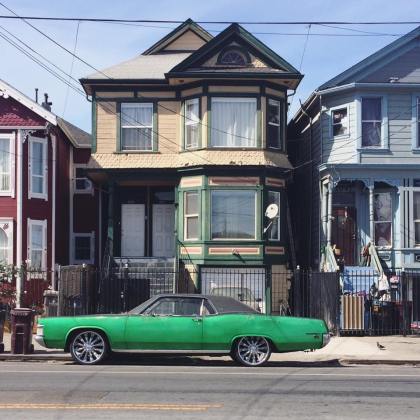 Once upon a time, in an America of a not too distant past, there was an interesting dynamic of who had access to necessities. In a country where we believe the myth of hard work and perseverance gets us far and wide, systematically bigotry kept and still keeps a number of people behind invisible yet visible lines of life.
 By 1964, General Motors premium efforts offered up a magic brew of marketing and moxie. Where Ford and Chrysler could only work their mojo into offering perhaps only 2 or 3 premium sedans, General Motors had a slew of them. Most credit Ford with starting the brougham brigade, in actuality Pontiac brought the bourgeois to more of the masses with their Bonneville Brougham.
 Dynamic Drive