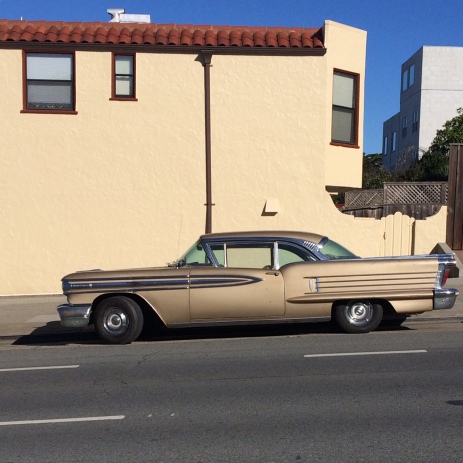
 Beauty is in the eye of the beholder. Or in the eye of the buyer, I guess. In the twilight zone of the late 50’s, many an automobile brings up the question of what exactly did “good taste” mean in terms of what American car shoppers wanted.
This is where the 1958 Oldsmobile enters into our consciousness. When all is said and done, can you believe that it was one of the most popular faces for ’58? Perhaps entranced by all the sparkling jewelry, we spend time with this glittery gem, figuring out if it was a ghoul or the genteel beast most middle class buyers wanted that year.
 What if I proposed to you that the Oldsmobile Cutlass Ciera was the most polarizing car of the last 40 years? I’m sure you’d point out there’s plenty of other cars that deserve a bigger medal in terms of era defining cars but I have some key arguments.
 In a number of ways Toyota was the most “American” of Japanese manufacturers. Once on their feet in the U.S. market in the early 70’s, they fielded a line up not dissimilar, albeit smaller and far more efficient, than Detroit rivals.
 The Vista Cruiser is an interesting detour in the concept of the family hauler. General Motors always struggled a wee bit with the concept of the station wagon (and the minivan and SUV crazes that followed) compared to Ford and Chrysler.
 It’s weird to be David when your dad is Goliath. Compounding the dilemma is there’s always a series of giant killers out to strike down that object that towers over them. Here’s where we find the Chevrolet Corvair for its 6th Season, first comprehensive re-design standing in full embrace of its most appropriate mission statement.
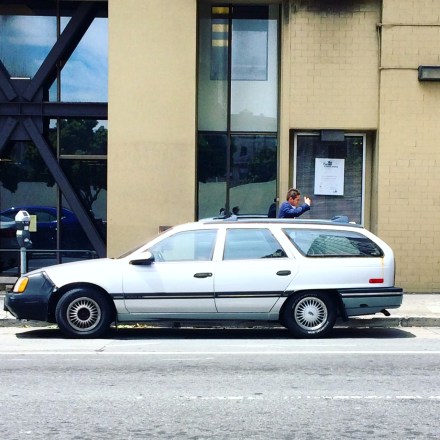 It was a revolution on wheels for the ordinary American Family Sedan. Even more so as a Station Wagon. Therein lies the miracle of the Original Ford Taurus. Long having played catch up to everyone else when it came to mainstream innovation, Ford fancied a future for mainstream buyers GM, Chrysler and a host of competitors couldn’t envision slipping into as tomorrow’s dream today.
 There’s been plenty said and 20/20 hindsighted about the fall of Oldsmobile and the historic brand’s demise in 2004. In reality it was a mixed storm, and an amazing bellwether of where consumer tastes had gone alongside the pursuits of ultimate profits by behemoth corporations.
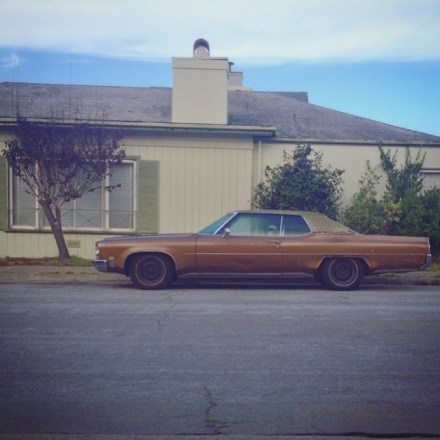 The Oldsmobile Ninety Eight once sat in a rarefied holy trinity at the temple of General Motors opulence. The eldest and the most modest of the trio between the most Senior Buick, the now Electra 225, and the myriad of Cadillac DeVilles and Fleetwoods, the Ninety Eight negotiated for the least of your finances for the most security and the most sensible set of luxury trappings for your dollar.
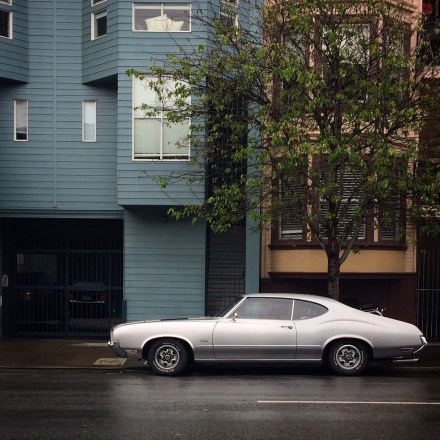 As Oldsmobile rose to their zenith in the 1970’s, it started to do so by playing musicial chairs with the various marketing images that made for being the toast of the town image that it had fostered since the 1950’s. The Olds-multiplicity of the brand had been a constant mix of practicality, performance and posh since the end of World War II. For the Elegant Ninety Eights there were the Superlative Super 88’s. For the practical F-85 there was the swashbuckling Cutlass. For the sword of intermediates, a crowned princess Supreme started an ascent to the top of the charts like Diana, Mary and Florence starting in 1966.
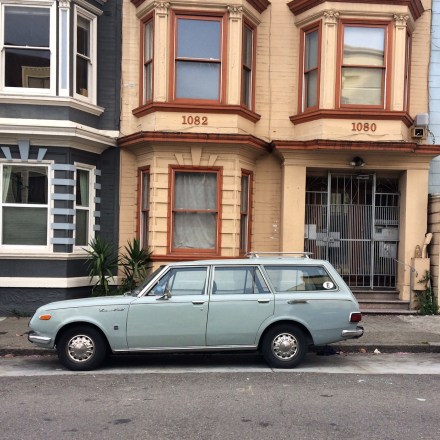 Out of the Japanese brands that landed in the American Market during the 1950’s and 1960’s, Toyota learned the quickest how to adapt to the foreign to them trends that set the Jones’s hearts alight. One trend realized was the splintering of the American Market, as the generation of Boomers headed to dealerships, they weren’t happy with one-size fits all motoring in escalating finery that had dominated the automotive landscape from The Great Depression through the Fabulous Fifties.
 Dynamic Drive