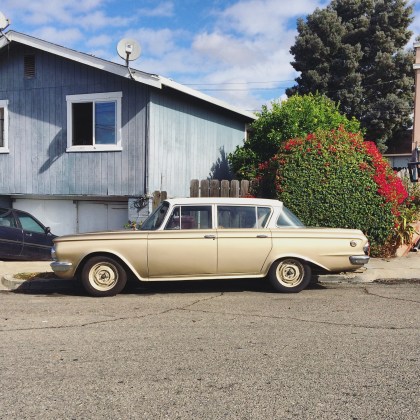
 In the era of planned obsolescence, independent brands, out of necessity didn’t “keep up with the times.” Smaller brands like Studebaker, AMC and a number of independent brands before them didn’t have the market share or profits to field new styling and the required sheetmetal every 2 or 3 years, or, in the case of General Motors, the extreme of every model year for 1957, ’58 and ’59.
As a wave of consumer backlash against this process developed, American Motors in particular, was well situated to take advantage of the march of “progress” fielded by the big three. Their smaller, sensible, upright rolling orthopedic shoes of automobiles, assembled with care and craft not necessarily known in their price class lead them to rise in sales during the leaner, recession restricted years of 1958 through 1961. How did that do for ’62?
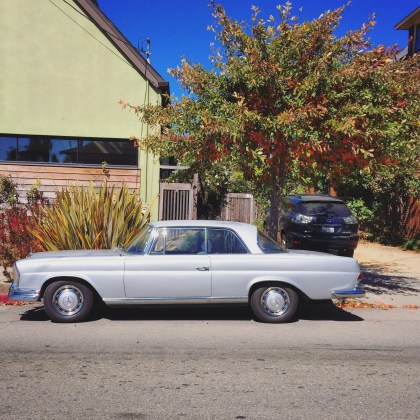 The incremental ways Mercedes Benz crept into the American Automotive market is a peculiar story of persistence and perfection. Although their offerings weren’t completely perfectly well baked for American Motoring demands, they did offer peerless posts to take in vast new landscapes in a completely foreign experience to what was determined to be American Luxury.
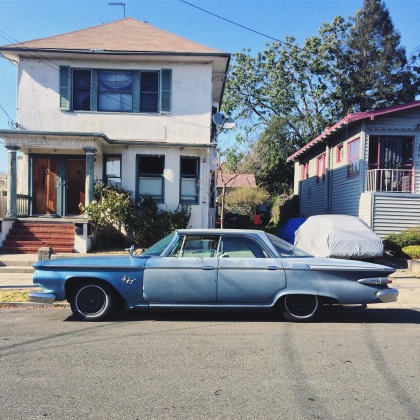 There’s perhaps no bigger surprise underdog that early 1960’s full sized Plymouths. Due to a number of factors, especially from 1960 through 1962, the Big Bargain Basement Mopars found themselves not only at odds with their traditional market segment. They found displeasure among Mopar loyalists as well.
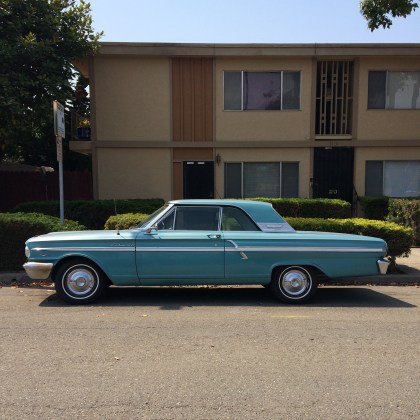 It’s not easy peaking the first time on stage. It happens with music acts, television shows, and quite often, cars. The combination of right place, right time and blessings from the stars (and economic conditions) bodes well for certain product successes. Here lies the story of the re-branded, midsized Ford Fairlane. For one shining moment, without market factors against it, it claimed a genre all unto it’s own.
 In the middle Sixties fires shot among brands, the Pontiac GTO probably ranks a close second to one of the most potent bullets of the decade. Like the Ford Mustang, it satisfied a thirst for wild abandon behind smaller, sportier, more powerful machines from Detroit’s big three. The GTO maximized profits even further than the Mustang since it shared its humble body with other mid-sized Pontiacs, which, in reality, meant it shared quite a bit with offerings from Chevrolet, Oldsmobile and Buick as well.
 One must remember the scope and power of General Motors in the early 1960’s. When the Corvair didn’t conquer all, becoming the #2 sales holder among all domestic compact cars, Chevrolet and General Motors were not satisfied enough with quarter million rear-engined wonders that buyers chose.
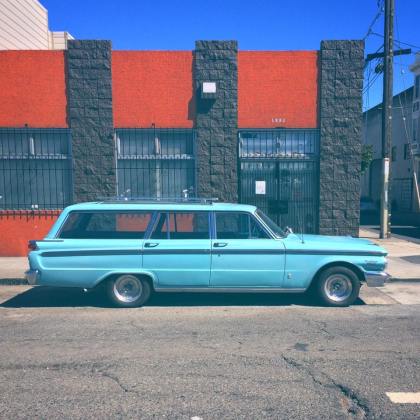 We’ve covered the fall to earth of the
 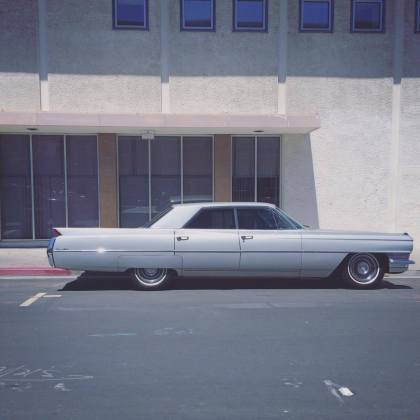 Finned and Fancy, Cadillac seemingly could do little wrong in the early 1960’s. Recognizing continuity as a cash cow and cementing a legacy, Cadillac style and substance found itself setting in stone a luxury legacy that still stands 50 years later.
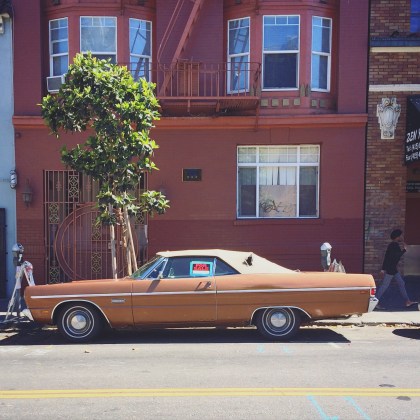 Despite efforts to be a constant trendsetter, Plymouth proved itself to be an also-ran brand in the 1960’s. Always in the shadows of market competitors Chevrolet and Ford, Plymouth also had to fend for territory from not too costly sibling brand Dodge. Seemingly, whatever Plymouth had, Dodge wanted too. Without the customer base of Chevrolet, or the marketplace freedom of Ford, Plymouth was oft-left to itself to provide a narrow bandwith of consumer desires.
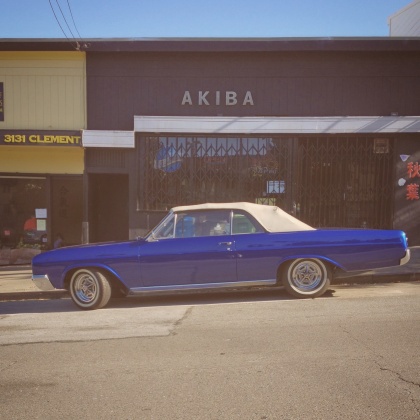 As we head into Convertible season, we look back 50+ years to the peak of the Convertible Market. All American brands minus soon to exit the sales field Studebaker offered convertibles. From petite to ponderous, the choices abounded for budgets stuck in the basement all the way to Bergdorfs.
 Dynamic Drive