 In a number of ways Toyota was the most “American” of Japanese manufacturers. Once on their feet in the U.S. market in the early 70’s, they fielded a line up not dissimilar, albeit smaller and far more efficient, than Detroit rivals.
Mainstream models came in sizes small (Corolla), medium (Corona) and large (Crown/Cressida). There was a “pony” car (Celica) to boot. That’s no different than Ford in the 1960’s minus a halo coupe once you think about it.We’ve made friends with the 3rd Generation car. Today we see what the 5th generation had to offer when you opted for the wagon version.
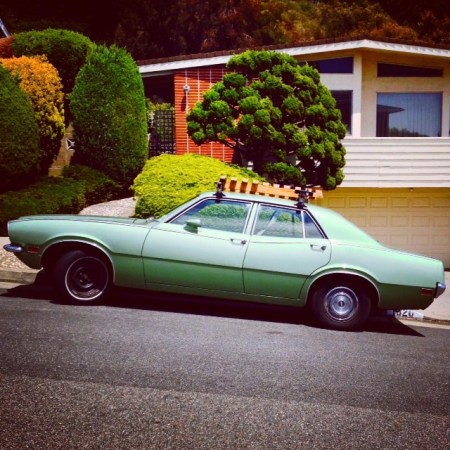 Social Networking can bring about some really awkward interactions with parents if they are young enough and/or technologically savvy. In my case, they center around my mother and her opinions on some of the curbside classics I find and post to Facebook from time to time.
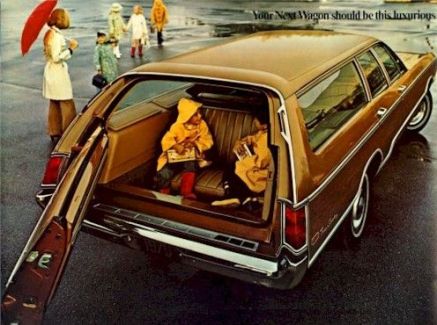 We’ve seen our nation wide open on the highways this summer. Now it’s time for us to head back to the realities of gaining more knowledge. It’s back to school season, and every big box parking lot is filled with the spoils of breeding the next generation of thinkers and doers…and spoiled brats and bullies too.
 The Vista Cruiser is an interesting detour in the concept of the family hauler. General Motors always struggled a wee bit with the concept of the station wagon (and the minivan and SUV crazes that followed) compared to Ford and Chrysler.
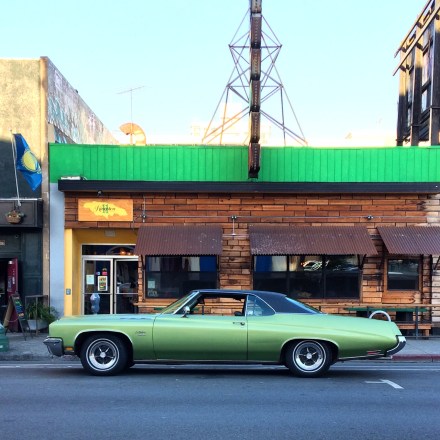 When did Buick become a car for the elderly? It’s really hard to say. For most of the early post-war era, Buick more or less espoused the belief in more subtle, less ostentatious luxury, in comparison to GM cousin brand Cadillac. During that same period, there were extensions downward to price categories just above Chevrolet, and attempts at re-cementing their reputation as Banker’s Hot Rods as well.
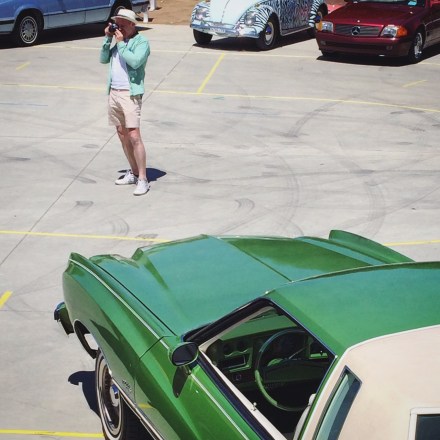 There’s the very pertinent reality that, in terms of car enthusiasm there’s a huge bias towards cars of the immediate Post-War. In the glow of the found memories of mid-century economic prosperity, the reverence for cars with fins and full metal jackets lined inside and out still looms heavily over the shadow of car enthusiasm.
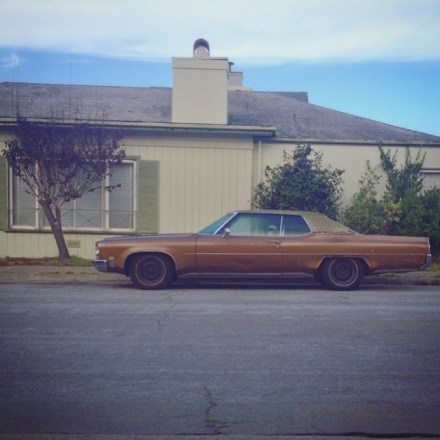 The Oldsmobile Ninety Eight once sat in a rarefied holy trinity at the temple of General Motors opulence. The eldest and the most modest of the trio between the most Senior Buick, the now Electra 225, and the myriad of Cadillac DeVilles and Fleetwoods, the Ninety Eight negotiated for the least of your finances for the most security and the most sensible set of luxury trappings for your dollar.
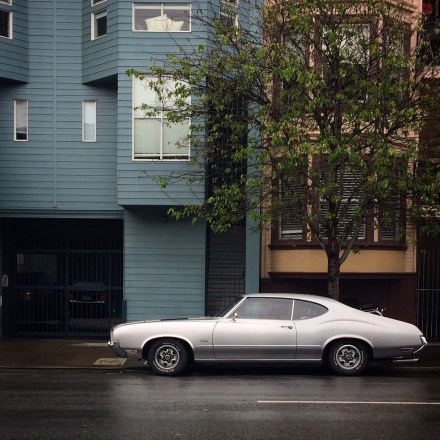 As Oldsmobile rose to their zenith in the 1970’s, it started to do so by playing musicial chairs with the various marketing images that made for being the toast of the town image that it had fostered since the 1950’s. The Olds-multiplicity of the brand had been a constant mix of practicality, performance and posh since the end of World War II. For the Elegant Ninety Eights there were the Superlative Super 88’s. For the practical F-85 there was the swashbuckling Cutlass. For the sword of intermediates, a crowned princess Supreme started an ascent to the top of the charts like Diana, Mary and Florence starting in 1966.
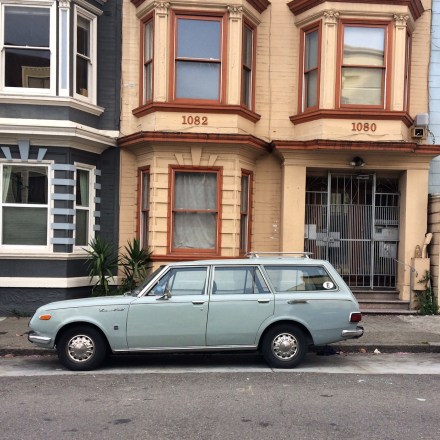 Out of the Japanese brands that landed in the American Market during the 1950’s and 1960’s, Toyota learned the quickest how to adapt to the foreign to them trends that set the Jones’s hearts alight. One trend realized was the splintering of the American Market, as the generation of Boomers headed to dealerships, they weren’t happy with one-size fits all motoring in escalating finery that had dominated the automotive landscape from The Great Depression through the Fabulous Fifties.
 Dynamic Drive