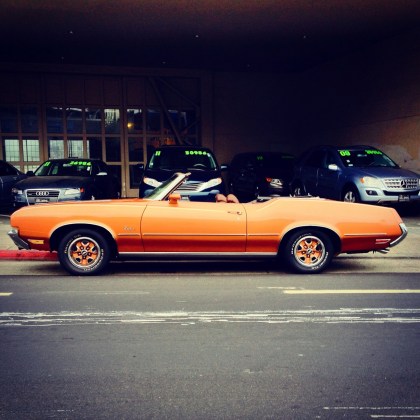
 The call to let the sunshine in and dawn the Age of Aquarius was a decade turning herald call. However, the sun was about to set on the American Convertible as the 1970’s plowed on. In the personalization and self-actualization days of the early 1970s, the coddling comforts of Air Conditioning, tinted glass and vinyl roofs conferred more savvy than free in-the-breeze sporty, top down motoring. Sunroofs and too many sunburns lead people away from top down motoring in the way it had been embraced in the past.
As sporting life gave way to laps of luxuries, convertibles fell on their swords one by one. One of the last rousing relative successes of the genre was the burgeoning darling of the middle of the market, the much beloved Oldsmobile Cutlass Supreme.
Continue reading “(Found In) Uptown-Northgate (Oakland, California) 1972 Oldsmobile Cutlass Supreme Convertible”
 The Oldsmobile Ninety Eight had made a career of stating “why buy a Cadillac?” The distance between what the Oldsmobile offered at a 25-30% discount over a comparable edition of The Standard Of The World often made the Ninety Eight seem like the most sensible sensation in the Near-Luxury field.
 Given the lawsuits and safety concerns about their fuel tanks; its often forgotten these days that the Ford Pinto was a rousing success for Ford in the Early 70’s. Upon introduction the frolicsome combination of sprite, plucky nature and a reasonable entry price made the Ford Pinto seemingly like the answer to the onslaught of Subcompact imports flooding the American Automotive Market.
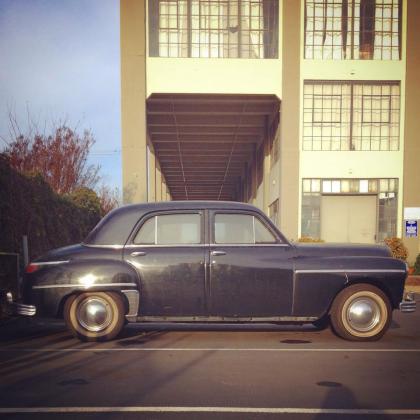 Once upon a time, the low priced Three automobiles stood securely in their respective reputations. Each brought a unique motoring experience reflective of the corporate philosophy that spurred their development. At the end of the World War, Ford, Chevrolet and Plymouth still held steadfast to policies dictated to them ever since they carved out the bottom of the market for the Big 3 automakers.
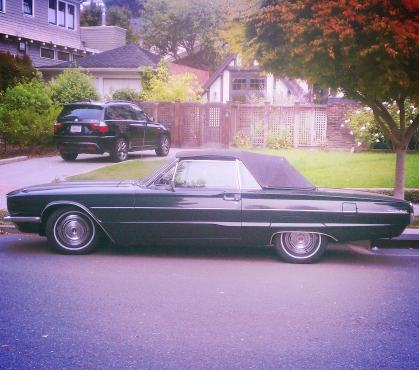 The Thunderbird legacy started as a top down thrill. However, the thrill was a bit muted in some ways. To give the original Thunderbird a leg up over a host of sports cars, the Thunderbird was marketed as a “personal” car. As such, comfort and convenience was built in from the beginning.
 The increased emphasis of accessible luxury made the Caprice the new King of the Chevrolet castle in a short number of buyer seasons. Although the Impala still held the sway over many new car buyers as the default choice for motoring finery, more and more people elevated their purchases to the most princely of Chevies as the 1960’s wound down.
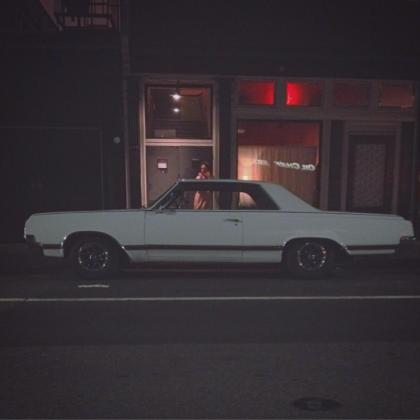 At the center of the 1960’s, Oldsmobile was starting to find out Where The Action Is. Swinging at the automotive discotheque with a full line of models of in sizes medium and large, Oldsmobile was poised to gain ground on the lessons they had learned during the first part of the 1960’s.
 Although a styling revolutionary, the 1961 Lincoln Continental wasn’t exactly a sales champion. The infinite varieties available for consumption in Cadillac showrooms allowed the Standard of The World to consistently outplace its Dearborn bred rival throughout the 1960’s.
 General Motors’s efforts at providing reduced sized motoring during the early 60’s delivered an engineering 1-2-3 punch. For 1960, ’61 and ’62, three different compact models from America’s premiere manufacturer took home the coveted Motor Trend Car of The Year award.
 Dynamic Drive