 In so many ways for the last rear-wheel drive Oldsmobile 88, it was the same at the ending as it was at the beginning. Once the star of the horsepower race, over time the Oldsmobile 88 became your average middle class car for Ordinary People. It wasn’t so much a fall from grace one might expect. Moreso the manifestation was consistent conservatism for Lansing’s biggest bread and butter loaf.
For 35+ years, the 88 gave reliable doses of 6 passenger comfort, smooth rides, quiet operation and a decent surge of V8 power. Soon enough though, the double-eight badging would have little significance as the march of badge engineering acted as a stick of dynamite against the GM Sloan ladder from the 1920s. It continued to splinter and crack under the weight of more profits and more competition for a shrinking class of buyer.
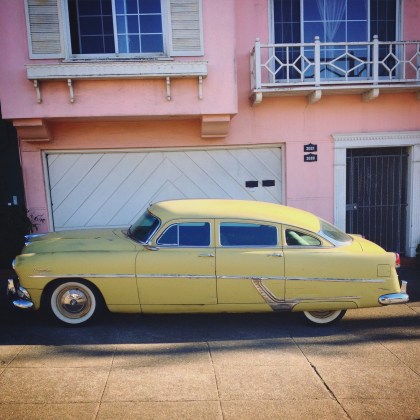 After creating such a sensation on the Automotive market in 1948, The “Step Down” Hudsons found themselves left behind because of their extremely distinctive stance. The envelope Uni-Body that gave the rugged solidarity and premium prestige in the immediate post war proved a limited engineering dead end in the rapidly changing automotive market of the 1950’s.
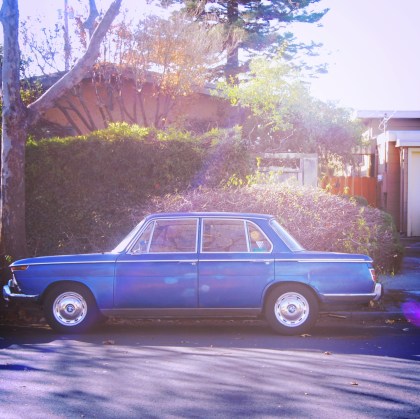 Although the 2002 gets the majority of credit for BMW’s North American success, the models that laid the ground work for sports sedan dominance for half a century laid in the Neue Klasse sedans and related coupes released in 1962. From humble beginnings as an alternate for the growing German Post-War Middle Class, the 1500, 1800 and 2000 series sedans defined dynamic motoring the world over.
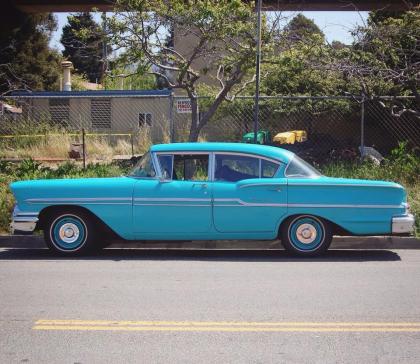 Although recognized as an icon today, the 1957 line of Chevrolet standard sized cars got left in the popularity and newness dust by both rivals Ford and Plymouth. The remarkably upright and befinned Bel-Airs and below saw themselves trying to peddle modest virtues and technological updates compared to time-traveling Plymouths and Fancier Fords.
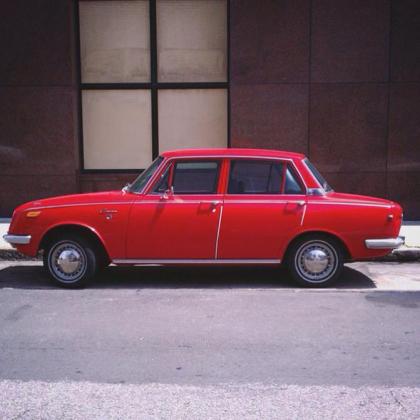 It didn’t take long for Toyota to learn some important basics about success in the American Market. Within 2 generations and one spectacular failure at the end of the 1950’s, Toyota was fast becoming the most important import brand in the United States as the 1960’s gave way to the 1970’s.
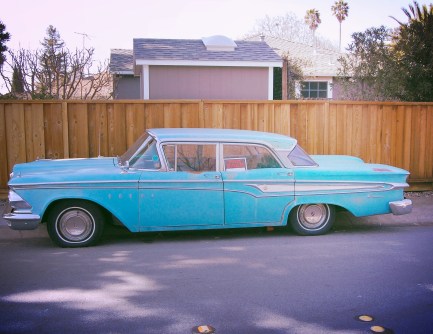 So much of the narrative attention given to the Edsel brand is given to the first year cars. With high expectations and projections of greatness, the ultimate failure to meet the mark sours the story of the whole brand.
 “Challenge Accepted” was the vow taken on by General Motors stylists. They made that commitment when they saw the newly wedge shaped and befinned second wave of Forward Look Chryslers starting to trickle out of Highland Park factories in September of 1956. The #1 manufacturer of motor vehicles in the world was not about to willingly surrender the design leadership crown to a competitor.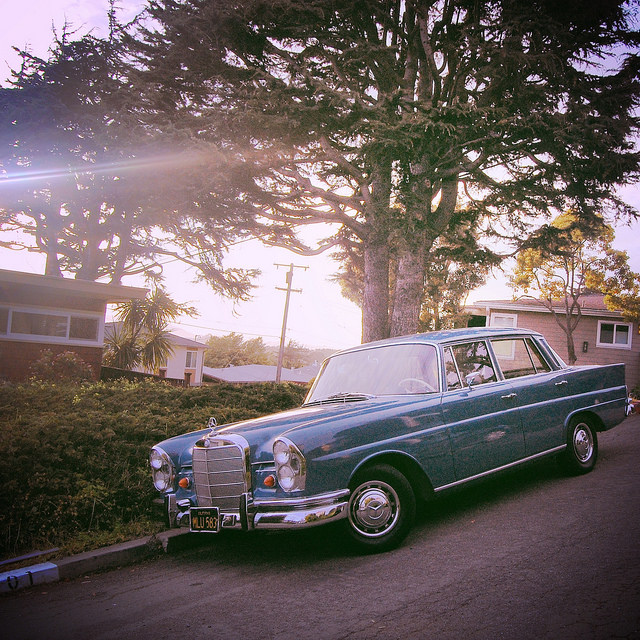
 Dynamic Drive