 “Young blood, you should get you a Old Skool. Now that’s a true investment that’ll always increase in value” this old Black man said to me as he tried to sell me his 1971 Cutlass Supreme he’d just dumped $18,000 worth of work into. I was on my way to firm up details for a DJ gig that required me to walk through the monthly fair weather gathering between 21st and West Grand once anchored by the Telegraph Giant Burger location and the dueling Gas Stations on either side of Telegraph Avenue.
When I returned to the East Bay in 2011, it was a haven of the Oakland that had been rather key in bringing my family in their journey to this pocket of the West Coast. In the early 20th Century, Oakland more or less was The Detroit of The West.
 One theory I constantly want to debuke about the Automobile, either created once upon a time, or as an item we covet now, is that cars are the provenance of straight, by and large white, men. Since at least the mid-Century, if not earlier, manufacturers employed women, minorities and queers to help design the dreams that we all stare back at with rose tinted glasses.
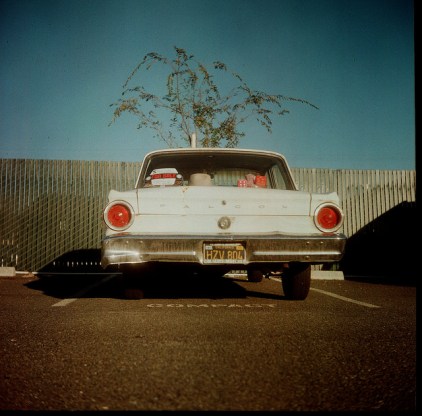 Once upon a time, on a website far far away but not really, when I was 30-ish years old, I declared the Ford Falcon the vintage chariot fancied the most by a certain demographic. Interestingly, at the same time I made such a grandiose generalization about my own respective urban peer group, I took up another anachronistic way of expression;
 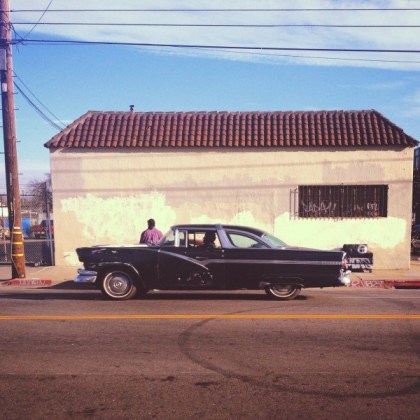 It’s worth note of the potential freedoms that driving and motor vehicle ownership offer people. I’ve been thinking of the scales between the freedom and consequences of the motor vehicle quite often over the last year.
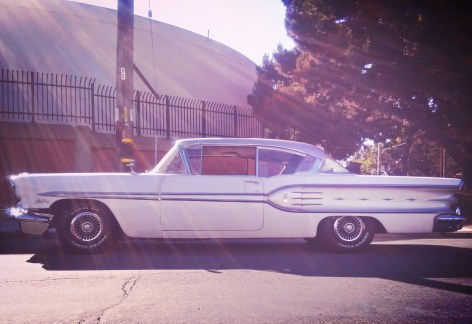 Today we feature a little Black Lives Matters automotive history alongside the trajectory of the Pontiac Motor Division in the late 1950’s. Our subject car has a story too precious to pass up in terms of our collective history. It follows the intersection of race, class, consumerism and pride all wrapped up in chrome dreams from Baghdad By The Bay.
  Dynamic Drive