 Desperate times call for desperate measures. Fewer post-war manufacturer moments represented Code Red better than the reality of the Studebaker-Packard merger of 1954. In the imperfect marriage between the pearl of South Bend and once the most exclusive brand in the land of The USA saw a monumental undoing rather hastily. The debacles of Studebaker’s quality failings and poor ability to keep up with consumer demand of their 1953 coupes had long lasting implications. Packard’s own quality difficulties sunk their Clipper ships and their larger cruise ships.
It’s perhaps fitting irony that one of the final Packards offered were a variation on the latest update of the ill-starred Starlight coupes of 1953. What made this Packardbaker so special?
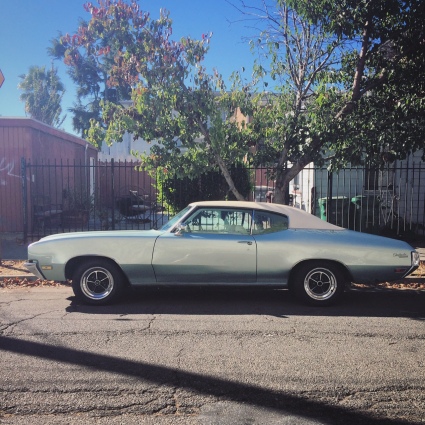 Buick has counted on you really rather having its wares throughout its history. The turn of the decade from 1969 to 1970 was no different, as more commonality crept in between all of General Motors intermediate cars.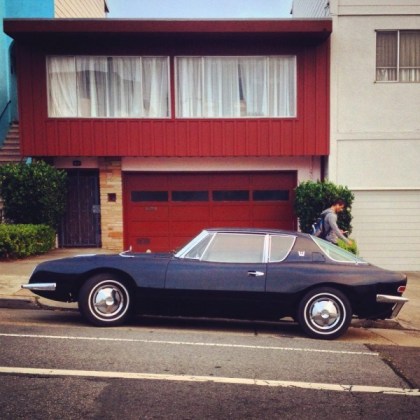
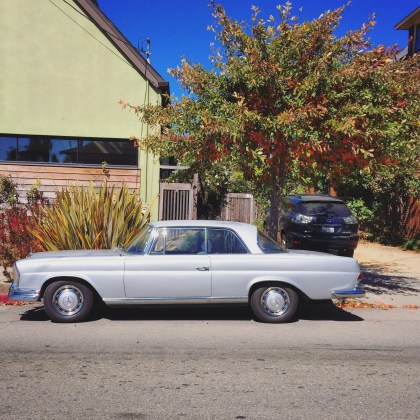 The incremental ways Mercedes Benz crept into the American Automotive market is a peculiar story of persistence and perfection. Although their offerings weren’t completely perfectly well baked for American Motoring demands, they did offer peerless posts to take in vast new landscapes in a completely foreign experience to what was determined to be American Luxury.
 It’s often that we discount Volvo as the sporting Swedish car, and give all of the glory of athletics to Saab. Where Saab tried again and again with variations of the Sonett from the 1950’s through the early 70’s, Volvo stayed pretty tried and true to their concept of a sports tourer. After the attempt with a Scandinavian Corvette, the P1900, the graceful P1800 debuted in 1961.
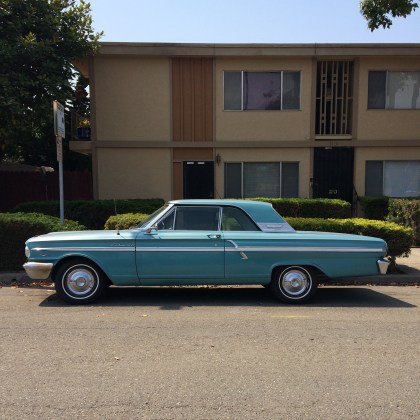 It’s not easy peaking the first time on stage. It happens with music acts, television shows, and quite often, cars. The combination of right place, right time and blessings from the stars (and economic conditions) bodes well for certain product successes. Here lies the story of the re-branded, midsized Ford Fairlane. For one shining moment, without market factors against it, it claimed a genre all unto it’s own.
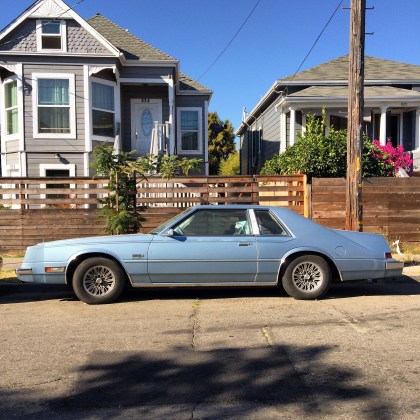 Celebrity endorsements of products weren’t anything new when morning re-dawn’d in ‘Murica in 1981. However, there was heightened trust put in old white dude celebrities where, perhaps, there shouldn’t have been. We had former actor Ronald Reagan as President that year. Reagan beguiled us with tales (perhaps too familiar 35 years into the future) about using traditional, conservative family values to return America. It was bought by the majority of voters still slumbering in a long term malaise that had dominated most of the 1970’s.
 In the middle Sixties fires shot among brands, the Pontiac GTO probably ranks a close second to one of the most potent bullets of the decade. Like the Ford Mustang, it satisfied a thirst for wild abandon behind smaller, sportier, more powerful machines from Detroit’s big three. The GTO maximized profits even further than the Mustang since it shared its humble body with other mid-sized Pontiacs, which, in reality, meant it shared quite a bit with offerings from Chevrolet, Oldsmobile and Buick as well.
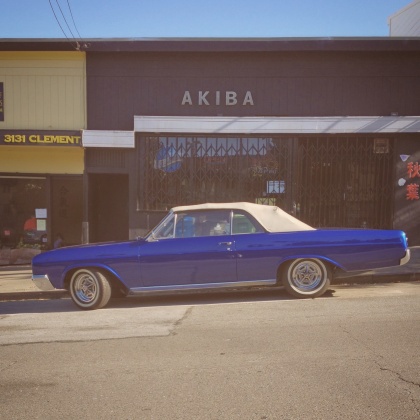 As we head into Convertible season, we look back 50+ years to the peak of the Convertible Market. All American brands minus soon to exit the sales field Studebaker offered convertibles. From petite to ponderous, the choices abounded for budgets stuck in the basement all the way to Bergdorfs.
 Dynamic Drive