 A wing, a prayer, and perhaps some emergency road flares. That encapsulated where Studebaker was by 1962 with their standard passenger car line. Where the innovation of cropping the circa ’53 standard Studebaker down to the Lark in 1959 was a stroke of genius, by 1962 many manufacturers crowded around the special bird to make a feast. No longer was it the only downsized dowager with the pride of a potent V8 engine.
A nip and a tuck of plastic surgery, some new features and a fretting over where to go next signified where the Lark was in 1962. Emphasis on the blossoming of the specialized small American car seen elsewhere creeped in too. How much of the old bird was new in ’62.
 Desperate times call for desperate measures. Fewer post-war manufacturer moments represented Code Red better than the reality of the Studebaker-Packard merger of 1954. In the imperfect marriage between the pearl of South Bend and once the most exclusive brand in the land of The USA saw a monumental undoing rather hastily. The debacles of Studebaker’s quality failings and poor ability to keep up with consumer demand of their 1953 coupes had long lasting implications. Packard’s own quality difficulties sunk their Clipper ships and their larger cruise ships.
 There’s a price to pay for being independent. Possibly no manufacturer continually learned that lesson better/worse than Studebaker. With big ambitions yet more often than not modest budgets, the sensations of South Bend often shot for the stars but found little oxygen to continue their journeys beyond the stratosphere.
 In the era of planned obsolescence, independent brands, out of necessity didn’t “keep up with the times.” Smaller brands like Studebaker, AMC and a number of independent brands before them didn’t have the market share or profits to field new styling and the required sheetmetal every 2 or 3 years, or, in the case of General Motors, the extreme of every model year for 1957, ’58 and ’59.
 The concept of the “Spring Special” to spur sagging interest in new cars is somewhat a lost concept. In these days of blurred time boundaries, new models up for sale are just given the next model year title. In the past however, new features and running model updates more often than not got a fresh round of marketing to spur along sales of current models.
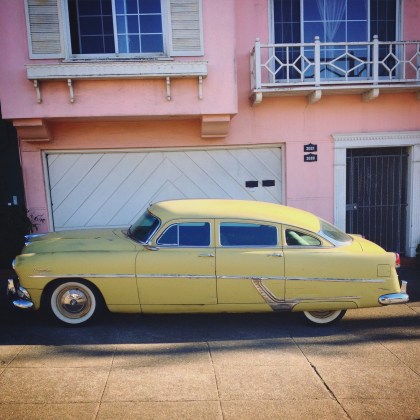 After creating such a sensation on the Automotive market in 1948, The “Step Down” Hudsons found themselves left behind because of their extremely distinctive stance. The envelope Uni-Body that gave the rugged solidarity and premium prestige in the immediate post war proved a limited engineering dead end in the rapidly changing automotive market of the 1950’s.
 Studebaker, independent manufacturer always willing to take a risk, was no stranger to creating stylish coupe models during the post war era. Had it not been for the advanced styling that Studebaker took in the personalization of the average automobile, many mainstream manufacturers may have not taken heed and offered their own wares.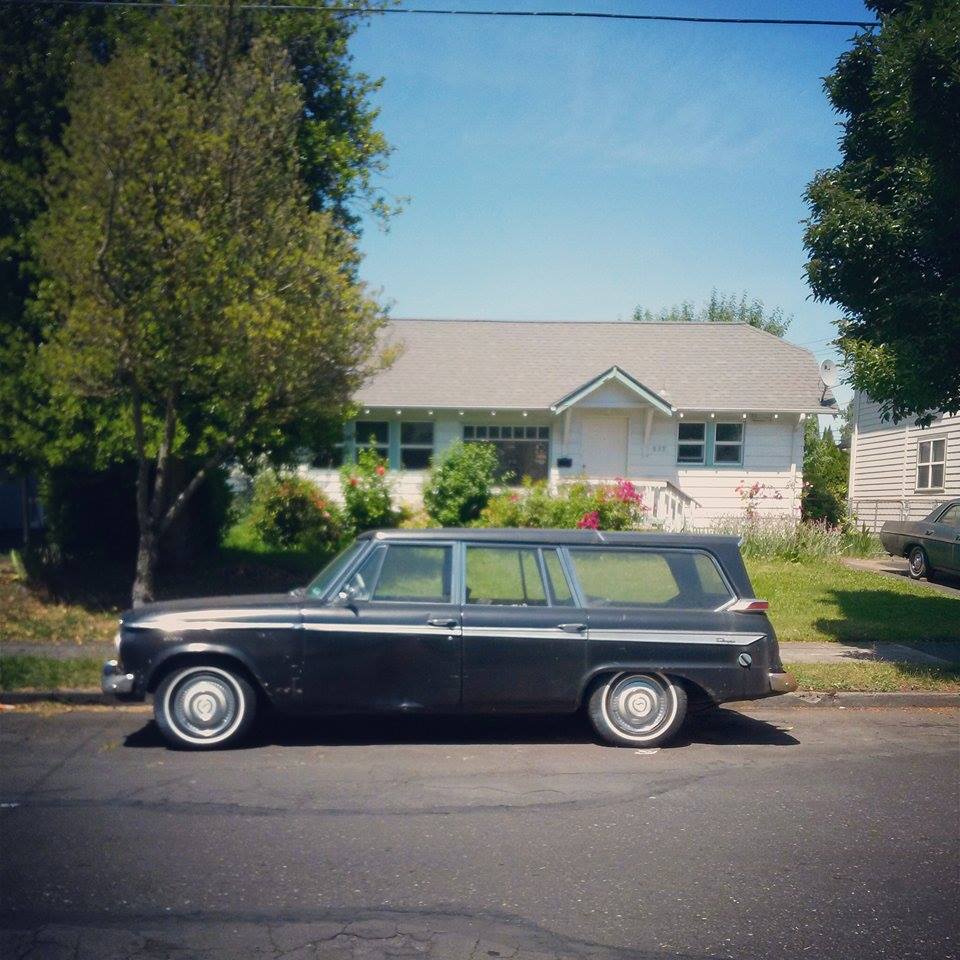
 Dynamic Drive