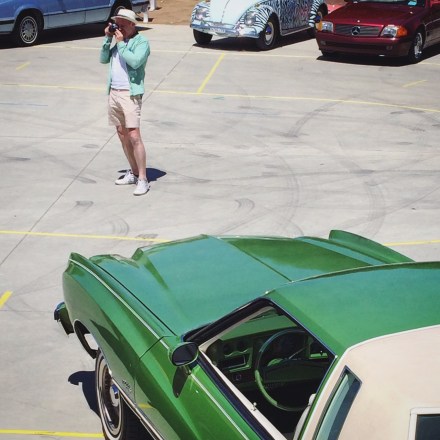
 There’s the very pertinent reality that, in terms of car enthusiasm there’s a huge bias towards cars of the immediate Post-War. In the glow of the found memories of mid-century economic prosperity, the reverence for cars with fins and full metal jackets lined inside and out still looms heavily over the shadow of car enthusiasm.
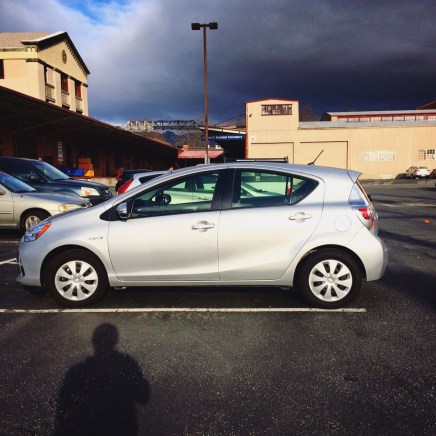
The cars that command average American Salaries if not more at auctions have years of birth of at least 45 years old, are considered at their finest bloom once they’ve hit the silver fox age of 50, and become really intensive things to insure and keep in good health once they hit 60 and beyond. Hiding in the shadows are the cars under 45 years old to those that are being ditched as students graduate college, leaving behind family hand-me-downs and first rides from the era of The X-Files and Moesha. “Malaise Machines,” they’re called.


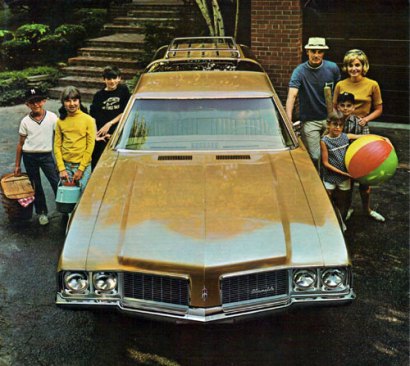

 One theory I constantly want to debuke about the Automobile, either created once upon a time, or as an item we covet now, is that cars are the provenance of straight, by and large white, men. Since at least the mid-Century, if not earlier, manufacturers employed women, minorities and queers to help design the dreams that we all stare back at with rose tinted glasses.
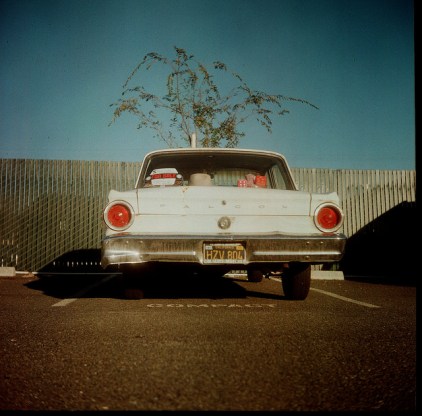 Once upon a time, on a website far far away but not really, when I was 30-ish years old, I declared the Ford Falcon the vintage chariot fancied the most by a certain demographic. Interestingly, at the same time I made such a grandiose generalization about my own respective urban peer group, I took up another anachronistic way of expression;
 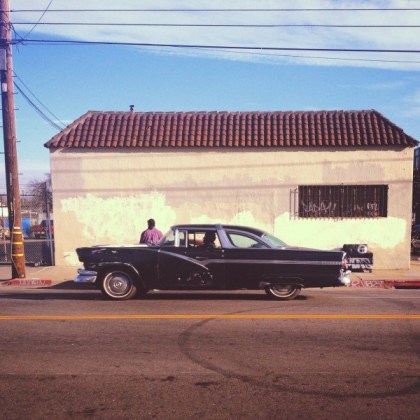 It’s worth note of the potential freedoms that driving and motor vehicle ownership offer people. I’ve been thinking of the scales between the freedom and consequences of the motor vehicle quite often over the last year.
